Best Sustainable Workout Clothes: Eco-Friendly Activewear Picks

As the fitness and wellness industry continues to evolve, a growing demand for sustainable workout clothes supports an active lifestyle and aligns with eco-conscious values.

Disclosure: This post may contain affiliate links. As an Amazon Associate, we earn from qualifying purchases at no extra cost to you.

Consumers are increasingly seeking brands that prioritize environmental responsibility, ethical production, and sustainable materials in their workout clothing. In response to this shift, several innovative and socially conscious activewear brands have emerged, offering stylish and high-performing options that minimize the impact on the planet. These eco-friendly activewear picks, from recycled plastics to organic cotton, provide a greener alternative to traditional workout gear.

8 Best Sustainable Workout Clothes

Here are the best sustainable workout clothes brands to shop for eco-friendly activewear:

Girlfriend Collective

sustainable workout clothes

Girlfriend Collective stands out in sustainable workout clothes and is known for its commitment to using recycled materials. Their famous compression leggings are made from 25 recycled plastic bottles each, diverting these bottles from landfills and reducing the brand’s carbon footprint.

Girlfriend Collective’s entire activewear collection, including sports bras, shorts, and tops, is certified Standard 100 by Oeko-Tex, ensuring the absence of harmful substances. The brand also provides detailed sustainability reports for each product, highlighting the environmental impact and the number of water bottles saved from waste.

Organic Basics

sustainable workout clothes

Organic Basics offers a comprehensive range of sustainable activewear, including tops, bottoms, bras, and accessories. The brand uses a variety of eco-friendly fabrics, such as organic cotton, Tencel lyocell, and recycled nylon, to create high-quality, functional designs.

Organic Basics also employs sustainable production practices, including the use of renewable energy and the reduction of water, chemicals, and wastewater during the manufacturing process. Additionally, the brand’s activewear is treated with Bluesign-approved recycled silver salt to inhibit odor-causing bacteria, further enhancing the garments’ sustainability.

Reformation

sustainable workout clothes

Known for its sustainable fashion collections, Reformation has also introduced a line of eco-friendly activewear called Ref Active. The brand’s workout clothes, including leggings, sports bras, and jumpsuits, are made from Repreve, 100% post-consumer recycled plastic bottles.

Reformation’s Ref Active line is accompanied by detailed transparency reports that outline the number of recycled bottles used, the reduction in gas emissions, and the energy savings for each item.

Everlane

sustainable workout clothes

Everlane, a brand renowned for its commitment to ethical and sustainable practices, has expanded its sustainable materials range into activewear. The brand’s leggings, bike shorts, and bodysuits are crafted from recycled nylons and polyesters, aligning with Everlane’s goal of eliminating virgin plastics from its supply chain. This makes Everlane a great option for sustainable workout clothes.

By offering these eco-friendly activewear options, Everlane continues to provide transparent and environmentally-conscious fashion choices for its customers.

Summersalt

Summersalt’s vibrant activewear collection is predominantly made from recycled polyester derived from plastic bottles and certified under the Global Recycled Standard. The brand’s product pages highlight the number of plastic bottles repurposed for each item, further emphasizing its sustainable practices and promoting transparency.

sustainable workout clothes

Organic Basics, LA Relaxed, and Vyayama

In addition to the brands mentioned above, several other sustainable activewear companies are worth considering. Organic Basics, known for using organic cotton and Tencel lyocell, offers a range of high-performance activewear focusing on ethical production.

LA Relaxed, a vegan and cruelty-free brand, utilizes sustainable fabrics like hemp, linen, and organic cotton to create comfortable and stylish workout clothes.

Vyayama, on the other hand, specializes in yoga-inspired activewear made from Tencel, a plant-based fabric derived from eucalyptus, which offers breathability, support, and moisture-wicking properties.

Sustainable Activewear: More Than Just Eco-Friendly Fabrics

While using sustainable materials is a crucial aspect of eco-friendly activewear, these brands often go beyond just fabric selection. Many of them prioritize ethical production practices, such as ensuring fair wages and safe working conditions for their employees and minimizing waste and energy consumption during the manufacturing process.

Additionally, some sustainable activewear brands offer transparency about their supply chains and environmental impact, providing customers with detailed information about the materials used, the number of recycled bottles diverted from landfills, and the reduction in carbon emissions associated with their products. This level of transparency allows consumers to make informed decisions and support brands that align with their values.

Factors to Consider Choosing Sustainable Workout Clothes

When selecting workout clothes, sustainable options can significantly reduce your environmental impact. Here are key considerations and materials to look for:

1. Organic Cotton

Grown without synthetic pesticides and fertilizers, organic cotton is breathable and comfortable, making it ideal for activewear.

2. Bamboo

Known for its softness and moisture-wicking properties, bamboo fabric is biodegradable and requires minimal water and no pesticides to grow.

3. Recycled Polyester

Made from post-consumer waste like plastic bottles, recycled polyester reduces landfill waste and energy consumption compared to virgin polyester.

4. Hemp

A fast-growing crop that requires minimal water and no pesticides, hemp is durable, breathable, and biodegradable.

5. Tencel/Lyocell

Produced from sustainably sourced wood pulp in a closed-loop process, Tencel is soft, moisture-wicking, and biodegradable.

6. Recycled Nylon

Like recycled polyester, recycled nylon is made from fishing nets and industrial waste, reducing waste and energy use.

7. Wool

Ethically sourced wool from farms with high animal welfare standards is naturally moisture-wicking, odor-resistant, and biodegradable.

8. Econyl

Regenerated nylon made from abandoned fishing nets and fabric scraps, Econyl is used in activewear and swimwear, contributing to waste reduction.

9. PFC-Free Water Repellent Coatings

Opt for activewear with PFC-free coatings to avoid harmful perfluorinated chemicals, supporting a healthier environment.

10. Certifications

Look for certifications such as GOTS, OEKO-TEX Standard 100, or Bluesign, ensuring environmentally friendly and socially responsible production practices.

By choosing workout clothes made from these sustainable materials and considering their production processes, you can minimize your environmental footprint and support brands committed to sustainability in the fashion industry.

The Benefits of Sustainable Activewear

Investing in sustainable activewear not only benefits the environment but can also have positive impacts on the individual. By choosing eco-friendly workout clothes, consumers can:

Reduce their environmental footprint

Sustainable activewear brands use materials and production methods that minimize the impact on the planet, such as reducing waste, water usage, and greenhouse gas emissions.

Support ethical and transparent businesses

Many sustainable activewear brands prioritize fair labor practices, worker safety, and transparency, ensuring their products are ethically made.

Enjoy high-quality, long-lasting garments

Sustainable activewear is often designed with durability and longevity in mind, reducing the need for frequent replacements and contributing to a more circular fashion economy.

Enhance their workout experience

Many sustainable activewear brands focus on performance, comfort, and style, providing workout clothes that support an active lifestyle while aligning with eco-conscious values.

Final Words

As the demand for sustainable and ethical fashion continues to grow, the activewear industry has responded with a range of eco-friendly options catering to conscious consumers’ needs. Brands like Girlfriend Collective, Organic Basics, Reformation, Everlane, and Summersalt lead the way in sustainable activewear, offering stylish and high-performing workout clothes made from recycled materials, organic fibers, and ethical production practices.

By choosing to invest in sustainable activewear, consumers can reduce their environmental impact and support businesses that prioritize sustainability, transparency, and social responsibility. As the fitness and wellness industry evolves, the rise of eco-friendly activewear allows individuals to align their workout routines with their values and contribute to a more sustainable future.
Best Eco-Friendly Sunscreen UK: Protect Your Skin & the Environment

In recent years, the demand for eco-friendly sunscreen has grown significantly as people become more conscious of their environmental impact. Traditional sunscreens often contain chemicals that can harm marine life and ecosystems when washed off into oceans or rivers.

Disclosure: This post may contain affiliate links. As an Amazon Associate, we earn from qualifying purchases at no extra cost to you.

Eco-friendly sunscreens aim to mitigate these concerns by using natural, reef-safe ingredients and sustainable packaging. In the UK, where environmental consciousness is high, choosing the right sunscreen involves considering both effectiveness in sun protection and environmental impact.

Understanding Eco-Friendly Sunscreen

Eco-friendly sunscreens, also known as mineral or physical sunscreens, use natural mineral ingredients like zinc oxide and titanium dioxide to reflect and scatter UV rays away from the skin. These sunscreens are free from harmful chemicals like oxybenzone, octinoxate, and nano-sized particles that can be toxic to marine life and coral reefs.

When choosing an eco-friendly sunscreen, look for products that are:

  • Broad-spectrum, protecting against both UVA and UVB rays
  • Have an SPF of 30 or higher
  • Use non-nano zinc oxide or titanium dioxide as the active ingredients
  • Free from harmful chemicals like oxybenzone, octinoxate, and nano-particles
  • Packaged in eco-friendly, plastic-free containers

Why Choose Eco-Friendly Sunscreen?

Eco-friendly sunscreens differ from conventional ones primarily in their formulation and packaging. They typically avoid harmful chemicals like oxybenzone and octinoxate, which have been linked to coral bleaching and are banned in several regions worldwide due to their detrimental effects on marine life. Instead, they rely on mineral-based ingredients like zinc oxide or titanium dioxide, which provide effective broad-spectrum protection without harming coral reefs or marine ecosystems.

Another crucial aspect of eco-friendly sunscreen is its packaging. Many brands use recyclable or biodegradable materials for their containers, reducing plastic waste and environmental footprint. Some even go a step further by incorporating sustainable practices into their production processes, such as using renewable energy or supporting environmental initiatives.

Top Eco-Friendly Sunscreen Brands in the UK

The UK market is seeing a growing demand for reef-safe and environmentally-friendly sunscreen options. Consumers are looking for mineral-based sunscreens that avoid controversial chemical filters like oxybenzone and octinoxate. Some of the top eco-friendly sunscreen brands in the UK include:

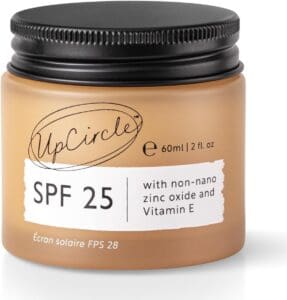
UPCIRCLE eco-friendly sunscreen
 

UPCIRCLE offers a broad-spectrum SPF 25 mineral sunscreen made in the UK. It is cruelty-free, vegan, and free of microplastics, making it a great choice for eco-conscious consumers. The sunscreen uses non-nano zinc oxide as the UV-blocking ingredient, which is considered a safer and more natural alternative to chemical filters.

The product comes in a refillable glass jar with a metal lid, reducing plastic waste. UPCIRCLE is a relatively new brand, but it has received positive reviews for its smooth application and lack of white cast, which can be a common issue with mineral sunscreens.

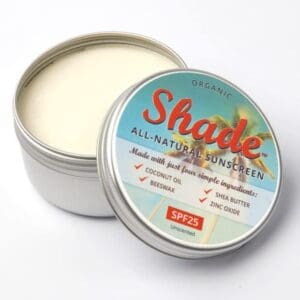
SHADE
 

SHADE provides a broad-spectrum SPF 25 mineral sunscreen made in the UK. It is certified organic and contains beeswax, making it suitable for those who avoid vegan products. The sunscreen uses non-nano zinc oxide as the UV-blocking ingredient, providing a natural and effective protection.

The product comes in a metal tin packaging that can be reused or recycled, contributing to a more sustainable approach. Reviews suggest the sunscreen is thick but rubs in well, making it a good option for sensitive skin types.

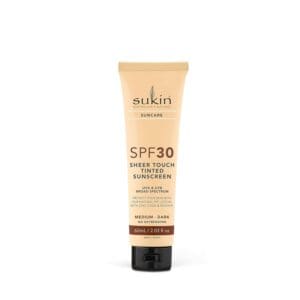
SUKIN

SUKIN offers a broad-spectrum SPF 30 mineral sunscreen made in Australia. The company is carbon-neutral, cruelty-free, and vegan, appealing to environmentally-conscious consumers. The sunscreen uses non-nano zinc oxide as the UV-blocking ingredient, ensuring a natural and reef-safe formula.

While the packaging is made of plastic, Sukin’s commitment to sustainability and ethical practices sets it apart as a responsible choice for eco-friendly suncare.

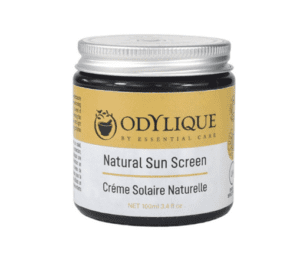
ODYLIQUE

Odylique is a UK-based brand that offers a broad-spectrum SPF 30 mineral sunscreen. It is certified organic, vegan, and free from synthetic ingredients. The sunscreen uses non-nano zinc oxide as the active ingredient and comes in a recyclable aluminum tube.

Odylique is known for its commitment to sustainability and ethical sourcing of ingredients.

ORGANII

Organii provides a broad-spectrum SPF 30 mineral sunscreen made in the UK. It is certified organic, vegan, and cruelty-free. The sunscreen uses non-nano zinc oxide and is packaged in a recyclable aluminum tube. Organii focuses on creating natural and environmentally-friendly skincare products.

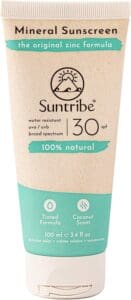
SUNTRIBE

Suntribe is a Swedish brand that offers a broad-spectrum SPF 30 mineral sunscreen. It is vegan, cruelty-free, and uses non-nano zinc oxide as the UV-blocking ingredient. The sunscreen comes in a recyclable aluminum tube, aligning with the brand’s commitment to sustainability. Suntribe is known for its high-quality, reef-safe formulas.

AMAZINC

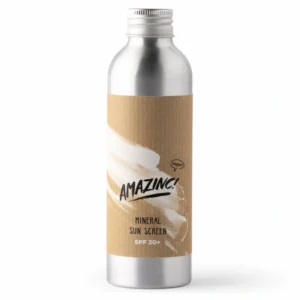
Amazinc is a UK-based brand that provides a broad-spectrum SPF 30 mineral sunscreen. It is vegan, cruelty-free, and uses non-nano zinc oxide as the active ingredient. The sunscreen is packaged in a recyclable aluminum tube, reducing plastic waste. Amazinc emphasizes the use of natural and sustainable ingredients in its products.

BADGER

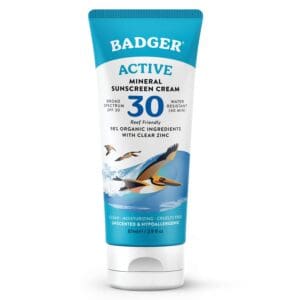
Badger is a US-based brand that offers a broad-spectrum SPF 30 mineral sunscreen. It is certified organic, vegan, and uses non-nano zinc oxide as the UV-blocking ingredient.

The sunscreen comes in a recyclable tin container, aligning with the brand’s eco-friendly approach. Badger is known for its commitment to using natural and sustainable ingredients.

FOX

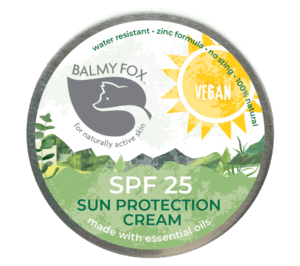
Balmy Fox is a small business in Wales that creates a broad-spectrum SPF 25 mineral sunscreen. It is cruelty-free, vegan, and uses non-nano zinc oxide as the active ingredient. The sunscreen is packaged in a reusable metal tin, contributing to a more sustainable approach. Balmy Fox focuses on providing eco-friendly and sports-friendly suncare products.

How to Apply Eco-Friendly Sunscreen Effectively?

Applying eco-friendly sunscreen effectively is crucial for both ensuring adequate sun protection and maximizing its environmental benefits. Here’s a step-by-step guide on how to apply eco-friendly sunscreen effectively:

Apply Generously

Make sure to apply a generous, even layer of eco-friendly sunscreen to all exposed skin. This includes often-missed areas like the lips, ears, around the eyes, and the neck.

Reapply Frequently

Reapply the sunscreen every 2 hours, or more frequently if swimming or sweating. Eco-friendly sunscreens need to be reapplied just as often as traditional sunscreens.

Allow Time to Absorb

Mineral-based eco-friendly sunscreens typically require 10-15 minutes to become fully effective after application, as they need time to form a protective barrier on the skin.

Use Adequate Amount

The recommended amount of sunscreen is about 1 ounce (2 tablespoons) to cover the entire body. Make sure to apply a sufficient amount for full coverage.

Combine with Other Sun Protection

Eco-friendly sunscreen should be used in combination with other sun-safe practices, such as seeking shade, wearing protective clothing, and avoiding peak sun hours between 10 am and 4 pm.

Check the Ingredients

Look for eco-friendly sunscreens that use non-nano zinc oxide or titanium dioxide as the active ingredients, and are free from harmful chemicals like oxybenzone and octinoxate.

By applying eco-friendly sunscreen generously, frequently, and in conjunction with other sun-safe measures, you can effectively protect your skin while minimizing your impact on the environment.

Final Words

Protecting your skin from harmful UV rays is essential, but it doesn’t have to come at the expense of the environment. By choosing eco-friendly sunscreens that are reef-safe, free from harsh chemicals, and packaged sustainably, you can enjoy the sun while minimizing your impact on the planet.

With a wide range of options available in the UK, it’s easier than ever to find an eco-friendly sunscreen that suits your needs and preferences.

Preworn: Redefining Fashion Through Sustainability

In the world of fashion, where trends come and go in the blink of an eye, one company is making a significant impact by offering a sustainable fashion alternative that keeps us stylish and helps save the planet. Preworn, the largest second-hand clothing seller in the UK, has been quietly revolutionizing the way we approach our wardrobes since its inception in 2019.

Disclosure: This post may contain affiliate links. As an Amazon Associate, we earn from qualifying purchases at no extra cost to you.

Preworn now saves an impressive 600 tonnes of used clothing from landfills annually. This article will delve into the world of Preworn, exploring its history, mission, and the experience it offers to shoppers.

Preworn Company Background

In 2019, Preworn embarked on a journey that began with a modest idea – listing clothing purchased from a local charity shop. This unassuming start, however, would lay the foundation for what would become the largest second-hand clothing seller in the UK.

Preworn

Over the years, Preworn has grown exponentially, expanding its reach and impact. A notable achievement is the company’s ongoing effort to rescue a staggering 600 tonnes of used clothing annually, preventing them from being discarded into landfills.

What sets Preworn apart is its relentless focus on giving new life to clothing in perfect condition, representing a whopping 85% of unwanted garments. This commitment to quality and sustainability, combined with prices that remain unmatched in the market, has garnered the trust and loyalty of a vast customer base.

Furthermore, their Trustpilot score of 4.6 out of 5 underlines the high level of customer satisfaction, cementing Preworn’s reputation as a leader in the second-hand clothing industry.

The Environmental Impact of the Fashion Industry

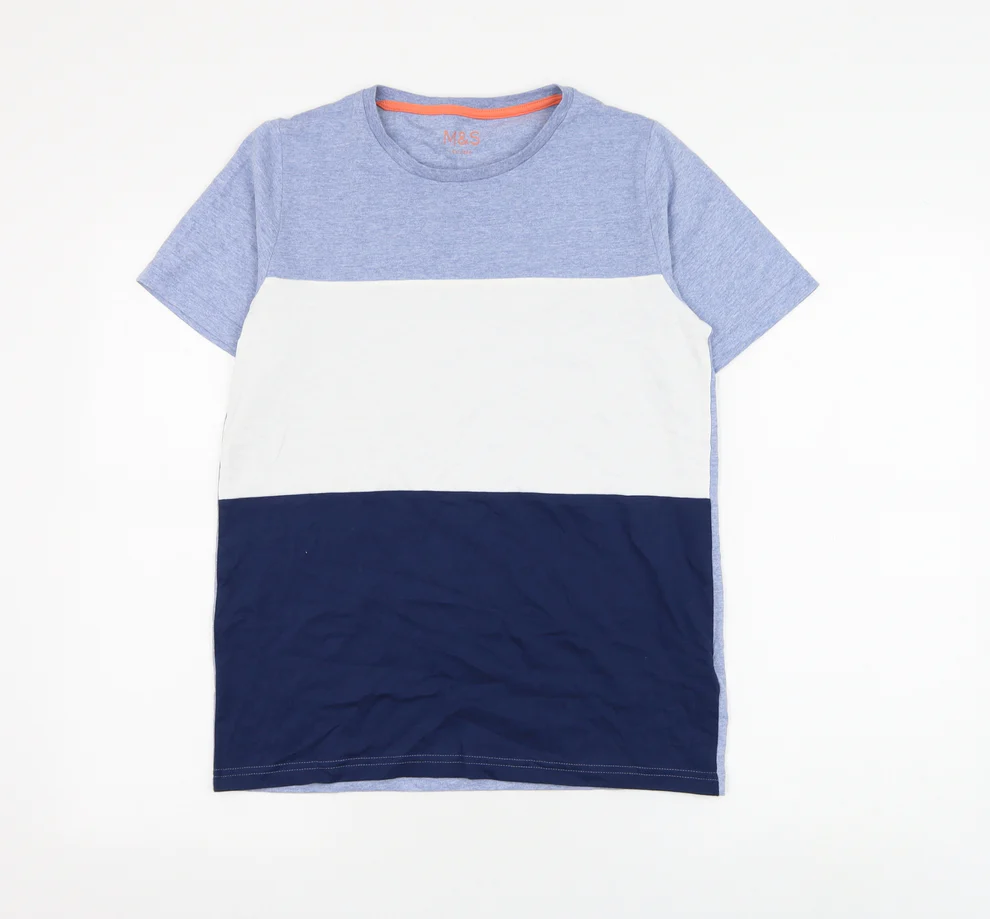
The fashion industry’s contributions to environmental issues are profound and concerning. One of the most alarming aspects is the industry’s extravagant water consumption. To create a single cotton t-shirt and a pair of jeans, a staggering 20,000 liters of fresh water are required.

Water Woes:

The fashion industry’s colossal water consumption is alarming. A single cotton t-shirt and a pair of jeans demand a staggering 20,000 liters of water. This extravagant usage equates to a person’s water supply for 27 years, raising critical concerns about the fashion industry’s role in depleting water resources.

Boys Blue Colourblock Cotton Basic T-Shirt

Microfiber Mayhem:

Microfiber pollution is a major issue, with synthetic clothing shedding microfibers that constitute 85% of ocean plastic. An equally troubling concern is the infiltration of these microfibers into tap water, as 83% of samples globally contained traces in 2017, posing severe threats to aquatic ecosystems and the environment.

Dyeing Dilemma:

Conventional fabric dyeing practices in the fashion industry are a significant source of water contamination. The fabric dyeing industry contaminates a vast 2.77 trillion liters of fresh water annually, emphasizing the urgency of adopting eco-friendly dyeing techniques to reduce water pollution.

Carbon Footprint Crisis:

The fashion industry’s contribution to the global carbon footprint is alarming, exceeding 10%. Projections suggest this could rise to 25% by 2050 without immediate changes, exacerbating climate change

Material Miseries:

Synthetic materials release nitrous oxide emissions 300 times more harmful than CO2. The production of polyester consumes nearly 70 million barrels of oil annually, adding to environmental challenges. Logging for fibers like rayon, viscose, modal, and lyocell contributes to deforestation.

Cotton Complications:

Cotton, a common material in fashion, has its environmental problems. Over 90% of cotton is genetically modified, and its production uses significant insecticides and pesticides. Cotton farmers often face unsustainable and hazardous practices.

Preworn’s Sustainable Fashion Solution

Preworn’s innovative approach is a beacon of hope in the face of the fashion industry’s environmental challenges. The company is at the forefront of the sustainable and circular fashion movement, offering a range of strategies to mitigate the industry’s negative impact.

Sourcing Second-Hand Clothing:

Preworn’s core strategy is sourcing high-quality second-hand clothing. By rescuing and repurposing pre-loved garments, they extend the lifespan of these items, reducing the need for new production.

Quality Control:

Rigorous quality control checks are conducted by Preworn’s dedicated team to ensure that only top-notch items make their way to customers. This meticulous process guarantees that customers receive clothing in excellent condition.

Avoiding Landfills:

Preworn is committed to preventing unsaleable or unusable items from ending up in landfills or incinerators. They explore alternative solutions for these items, adhering to a zero-waste approach.

Affordable Sustainability:

Preworn’s commitment to keeping prices affordable makes sustainable fashion accessible to a broad audience. By providing cost-effective alternatives to traditional retail, they empower more individuals to make eco-conscious choices.

Extending Garment Lifespan:

Preworn’s focus on extending the lifespan of clothing helps reduce the environmental footprint of each garment. This approach aligns with the principles of a circular economy, where products are designed to be used longer and repurposed.

By offering high-quality second-hand clothing, conducting rigorous quality checks, and avoiding waste, Preworn exemplifies how the industry can transition toward a more sustainable and responsible future.

Inspiring Sustainable Choices

Preworn’s mission is inclusive, catering to everyone and transcending age, gender, and brand preferences. Their dedication to sustainability knows no bounds, and they aim to inspire sustainable choices in every corner of the fashion world.

Decisive Plan for All Ages and Genders:

Preworn’s vision is to lead a generation of people towards sustainable choices. This applies to individuals of all ages and genders, highlighting their commitment to making sustainable fashion accessible and appealing to everyone.

Wide Range of Products:

womens activewear

Preworn’s extensive collection encompasses a variety of products, including clothing for women, men, girls, boys, and even babies. Their commitment to sustainability extends to all, ensuring that no one is left out of the journey towards eco-conscious fashion.

Multitude of Brands:

Preworn collaborates with various brands, offering a diverse selection of sustainable fashion options. By partnering with a range of labels, they provide consumers with an extensive choice of eco-friendly products that align with their brand preferences.

Their inclusive approach reinforces the message that sustainable fashion is for everyone, offering a multitude of options to suit various tastes and needs.

Final Words

Preworn is a game-changer in the fashion industry, redefining it through sustainability. Their dedication to rescuing second-hand clothing and preventing waste is not just commendable but essential in today’s world.

They make sustainable fashion accessible to all, irrespective of age, gender, or brand preferences. More than a retailer, Preworn aims to inspire consumers to make eco-conscious choices, emphasizing the collective action needed to address the fashion industry’s environmental challenges.

Shop Sustainable Fashion Alternatives on Amazon

Here are our top picks available on Amazon:

Zero Waste Kit — Eco Gift Set with Beeswax Wraps & Reusables

Complement sustainable fashion with a sustainable lifestyle — this eco kit covers kitchen and personal care, making it a perfect companion to a conscious wardrobe.

Check Price on Amazon

Bambaw Stainless Steel Water Bottle 32oz — Eco Friendly

A reusable, dishwasher-safe stainless steel water bottle — as important a sustainable fashion accessory as what you wear. Single-wall, non-insulated, and genuinely zero waste.

Check Price on Amazon

Brush with Bamboo Toothbrush — Plant-Based Bristles (4 Pack)

Sustainable living extends beyond your wardrobe. Switch your toothbrush to a fully compostable bamboo option — one of the simplest and most impactful daily eco swaps.

Check Price on Amazon

Disclosure: This post may contain affiliate links. As an Amazon Associate, we earn from qualifying purchases at no extra cost to you.

Is Soy Wax Eco-Friendly? A Comprehensive Analysis

In recent years, there has been a growing awareness of the environmental impact of various products and industries. One area of concern is the production of candles and the type of wax used in them. Traditional paraffin wax, derived from petroleum, has raised environmental and health concerns. As a result, soy wax has emerged as an alternative that claims to be more eco-friendly. This article will explore the question: Is soy wax truly eco-friendly?

Disclosure: This post may contain affiliate links. As an Amazon Associate, we earn from qualifying purchases at no extra cost to you.

Understanding Soy Wax

Soy wax is a vegetable wax made from the oil of soybeans, a renewable and readily available resource. It was introduced as a more sustainable and cleaner-burning alternative to paraffin wax. Here’s a closer look at the factors that contribute to its eco-friendliness:

Is Soy Wax Eco-Friendly

Renewable Resource

Soybeans are a renewable crop that can be harvested annually. This makes soy wax a sustainable choice as it does not deplete finite fossil fuel reserves like paraffin wax.

Biodegradability

Soy wax is biodegradable, which means it can naturally decompose without causing long-term harm to the environment. In contrast, paraffin wax is not biodegradable and can contribute to landfill waste.

Clean Burning

Soy wax candles tend to burn more cleanly than paraffin candles. They produce fewer toxins and carcinogens, reducing indoor air pollution and associated health risks.

Lower Emissions

The production of soy wax generates fewer greenhouse gas emissions than paraffin wax. This can help reduce the carbon footprint associated with candle manufacturing.

Supporting Farmers

Soybean farming can provide income to local farmers, contributing to rural economies and potentially promoting sustainable agricultural practices.

Non-Toxic

Soy wax is non-toxic and does not release harmful chemicals when burned. This makes it a safer option for both consumers and the environment.

Sustainable Packaging

Many soy wax candle manufacturers prioritize eco-friendly packaging, using recycled materials, and minimizing waste in their product design.

What Are the Challenges and Concerns Surrounding Soy Wax?

While soy wax offers several eco-friendly benefits, it is not without its challenges and concerns:

Land Use

The expansion of soybean farming can lead to deforestation and habitat destruction, particularly in regions like the Amazon rainforest. To mitigate this, consumers should seek out sustainably sourced soy wax products.

Genetically Modified Organisms (GMOs)

Most soybeans grown globally are genetically modified, raising concerns about potential environmental and health impacts. Organic or non-GMO soy wax may be a better choice for those concerned about GMOs.

Pesticide Use

Like any crop, soybeans can be treated with pesticides and herbicides that can harm the environment. Organic soy wax is grown without synthetic chemicals, making it a more sustainable option.

Transportation

The carbon footprint of soy wax candles can increase if the soybeans are grown far from the candle manufacturing facility, leading to higher transportation emissions.

Competition with Food Production

The growth of soybean crops for wax production can potentially compete with food production, which could have social and ethical implications. Ensuring responsible land use and crop management is essential.

Final Words

Soy wax can be considered a more eco-friendly alternative to paraffin wax due to its renewable source, biodegradability, clean burning properties, and lower emissions. However, challenges such as land use, GMOs, pesticide use, transportation emissions, and competition with food production must be addressed to ensure sustainability.

As consumers, we can make a positive impact by choosing soy wax products that are sustainably sourced, non-GMO, and organic. Additionally, supporting responsible farming practices and advocating for transparency in the supply chain can contribute to a more environmentally friendly candle industry. 

Ultimately, while soy wax is a step in the right direction, it is essential to continue exploring and improving sustainable alternatives to reduce our environmental footprint further.

Frequently Asked Questions (FAQs)

Is Soy Wax Biodegradable?

One key aspect of eco-friendliness is biodegradability. We’ll investigate whether soy wax lives up to its reputation as a biodegradable material, which can naturally decompose without harming the environment.

Does Soy Wax Burn Cleaner than Paraffin Wax?

Comparing soy wax to traditional paraffin wax, we’ll analyze which option burns cleaner. This includes assessing the emissions and pollutants released during combustion and their impact on indoor air quality and the environment.

How Does Soy Wax Fare in Terms of Greenhouse Gas Emissions?

The production of wax involves energy consumption and emissions. To understand its environmental implications, we’ll explore the carbon footprint associated with soy wax production and compare it to paraffin wax.

Can Soy Wax Help Support Local Economies?

Beyond its environmental aspects, we’ll examine how soybean farming can provide income to local farmers, contributing to rural economies and potentially promoting sustainable agricultural practices.

Is Soy Wax Non-Toxic?

Safety is another vital aspect of eco-friendliness. We’ll discuss whether soy wax candles are non-toxic and do not release harmful chemicals when burned, making them a safer choice for consumers and the environment.

Shop Eco-Friendly Candles & Wax Products on Amazon

Here are our top picks available on Amazon:

Bee’s Wrap Beeswax Food Wraps — 3 Pack (S, M, L)

Beeswax has incredible eco credentials — and not just for candles. These food wraps use the same natural material to replace plastic wrap. Compostable, reusable, and made in the USA.

Check Price on Amazon

ECOS Plant-Based Multi-Surface Cleaner Spray (2 Pack)

Plant-based and biodegradable — just like soy wax. If you care about ingredient sourcing in your candles, you probably care about it in your cleaning products too.

Check Price on Amazon

Green Cone Solar Food Waste Digester — Compost Bin

Going eco with your candles? Go further with a solar compost bin. Divert all food and organic waste from landfill with this solar-powered digester — no turning required.

Check Price on Amazon

Disclosure: This post may contain affiliate links. As an Amazon Associate, we earn from qualifying purchases at no extra cost to you.

Ecological Footprint vs Carbon Footprint: Understanding Environmental Impact Metrics

In today’s rapidly changing world, measuring and understanding the environmental impact of human activities has become increasingly crucial. Two essential metrics used for this purpose are the ecological footprint and carbon footprint. 

Disclosure: This post may contain affiliate links. As an Amazon Associate, we earn from qualifying purchases at no extra cost to you.

These metrics provide valuable insights into how our actions affect the planet, but they focus on different aspects of our environmental impact. In this comparison, we will delve into the key differences and similarities between the ecological and carbon footprints, shedding light on their significance and applications in environmental sustainability.

What is Ecological Footprint?

An ecological footprint measures the environmental impact of an individual, community, organization, or even an entire nation in terms of the natural resources and ecosystems required to sustain their lifestyle or activities. Given the prevailing technology and resource management practices, it quantifies the amount of biologically productive land and water needed to provide the help a population consumes and absorb the waste it generates.

Ecological Footprint vs Carbon Footprint

What is Carbon Footprint? 

A carbon footprint measures the total greenhouse gas emissions, primarily carbon dioxide (CO2), associated with an individual, organization, event, or activity. It quantifies the impact of these emissions on climate change and reflects the contribution to global warming. Reducing one’s carbon footprint is essential in mitigating climate change and promoting environmental sustainability.

Key Differences Between Ecological and Carbon Footprints

Ecological and carbon footprints are both measures of human impact on the environment, but they focus on different aspects of that impact and have some key differences:

1. Scope of Measurement:

Carbon Footprint: A carbon footprint specifically measures the amount of greenhouse gases, primarily carbon dioxide (CO2), emitted as a result of human activities. It is a narrower measure that concentrates on the contribution to climate change.

Ecological Footprint: The ecological footprint is a broader measure that takes into account various environmental factors, including carbon emissions, but also considers other resource consumption and land use, such as energy, water, land, and other materials.

2. Environmental Factors:

Carbon Footprint: It mainly considers carbon dioxide emissions and sometimes includes other greenhouse gases like methane and nitrous oxide. The focus is on climate change mitigation.

Ecological Footprint: It looks at multiple environmental aspects, including carbon emissions, but also factors in the consumption of resources like water, food, land, and energy. It assesses the overall impact on ecosystems and biodiversity.

3. Units of Measurement:

Carbon Footprint: Typically measured in units of carbon dioxide equivalents (CO2e), expressed in metric tons or kilograms.

Ecological Footprint: Measured in global hectares (gha) or acres, which represent the amount of biologically productive land and water required to support a given level of resource consumption and waste generation.

4. Purpose and Focus:

Carbon Footprint: Primarily used for assessing and managing the contribution to climate change. It is often employed by individuals, organizations, and governments to reduce carbon emissions.

Ecological Footprint: Provides a more comprehensive view of humanity’s impact on the planet, encompassing not only climate change but also other ecological challenges such as overconsumption of resources and habitat destruction.

5. Policy and Management:

Carbon Footprint: Carbon footprints are commonly used in policy development and carbon reduction strategies, such as carbon taxes, cap-and-trade systems, and renewable energy initiatives.

Ecological Footprint: Used in broader sustainability assessments and policy development to address a wide range of environmental issues, including resource conservation, sustainable agriculture, and urban planning.

Relationship Between Ecological and Carbon Footprints

The relationship between Ecological and carbon footprints is complex and interconnected, as both metrics provide insights into different aspects of human impact on the environment. Here’s an exploration of their relationship:

Overlap in Calculation

While ecological footprint and carbon footprint primarily focus on different aspects of environmental impact, there is some overlap. Carbon emissions are a significant component of the ecological footprint, especially in the context of energy use, transportation, and industrial processes. Therefore, reducing carbon emissions can contribute to lowering one’s ecological footprint.

ecological footprint

Complementary Metrics

Ecological footprint and carbon footprint are often used together to provide a more comprehensive view of an entity’s environmental impact. By considering both metrics, individuals, organizations, and policymakers can better understand their resource consumption, waste generation, and greenhouse gas emissions.

Mitigation Synergy

Efforts to reduce one’s carbon footprint, such as transitioning to renewable energy sources, improving energy efficiency, and adopting sustainable transportation practices, often align with strategies to reduce an ecological footprint. For example, using renewable energy reduces both carbon emissions and the need for resource-intensive fossil fuels.

Resource Management

Addressing ecological footprint may indirectly affect the carbon footprint. Sustainable resource management practices, such as responsible land use, afforestation, and sustainable agriculture, can enhance carbon sequestration and reduce emissions, thus benefiting both metrics.

Global vs. Local Impact

Carbon footprint is more directly linked to global climate change and has a global impact. Ecological footprint, on the other hand, considers a broader range of environmental impacts, including local and regional ones, such as land degradation and biodiversity loss.

Policy and Sustainability

Many policies and sustainability initiatives aim to address both metrics simultaneously. For instance, sustainable urban planning that promotes public transportation and green spaces can reduce both carbon emissions and resource consumption.

Consumer Choices

Individuals can make consumer choices that positively affect both footprints. For example, choosing locally sourced, seasonal foods can reduce transportation-related carbon emissions and the ecological impact of long-distance food production.

While ecological and carbon footprints have distinct focuses, they are interconnected and often used together to provide a more comprehensive assessment of environmental impact.

Bottom Line

In conclusion, the comparison between ecological footprint and carbon footprint reveals the multifaceted nature of human impact on the environment. These two metrics, while distinct, provide valuable insights into our relationship with the planet.

The ecological footprint underscores the importance of sustainable resource management, responsible consumption, and waste reduction. It reminds us that our actions not only affect climate change but also contribute to a broader range of environmental challenges, including land degradation and biodiversity loss. To achieve long-term environmental sustainability, addressing the ecological footprint is essential.

Conversely, the carbon footprint highlights the urgency of mitigating climate change by reducing greenhouse gas emissions. Transitioning to renewable energy sources, improving energy efficiency, and adopting low-carbon technologies are critical steps in this direction. While reducing carbon emissions is a global imperative, it also intersects with efforts to lower the ecological footprint.

Frequently Asked Questions (FAQs)

Why Are Both Footprints Important To Consider?

Both footprints provide a more comprehensive understanding of environmental impact. Addressing one may positively affect the other, contributing to overall sustainability efforts.

Which Footprint Is More Global In Its Impact?

The Carbon Footprint has a more direct global impact as it primarily relates to climate change, while the ecological footprint considers both local and global environmental impacts.

What Practical Steps Can Individuals Take To Reduce Both Footprints?

Individuals can reduce both footprints by adopting sustainable practices such as conserving energy, using public transportation, supporting local and sustainable agriculture, and reducing waste generation.

Are There Policies And Initiatives That Aim To Address Both Footprints Simultaneously?

Yes, many sustainability policies and initiatives aim to reduce both ecological and carbon footprints, emphasizing the interconnectedness of environmental challenges.

Reduce Your Footprint — Eco Products on Amazon

Here are our top picks available on Amazon:

ECOS Laundry Detergent Packs — Plastic-Free (80 Loads)

A direct way to lower your household carbon footprint — manufactured in a carbon-neutral facility with plant-based ingredients and zero plastic packaging.

Check Price on Amazon

BioBag 13-Gallon Compostable Kitchen Trash Bags

Reducing your ecological footprint starts with what you throw away. Certified compostable bags divert organic waste from landfill, cutting methane emissions at the source.

Check Price on Amazon

BLAVOR Solar Power Bank 10,000mAh

Lowering your carbon footprint means reducing fossil fuel dependence. Start small with a solar charger — every watt-hour from the sun is one less from the grid.

Check Price on Amazon

Disclosure: This post may contain affiliate links. As an Amazon Associate, we earn from qualifying purchases at no extra cost to you.

Is ECOS Laundry Detergent Good for Your Clothes and the Environment?

Laundry day is a chore that most of us face on a regular basis. To keep our clothes clean and fresh, we rely on laundry detergents. However, in recent years, there has been a growing awareness of the environmental impact of traditional laundry detergents, leading many consumers to seek out eco-friendly alternatives. 

Disclosure: This post may contain affiliate links. As an Amazon Associate, we earn from qualifying purchases at no extra cost to you.

One such option is ECOS laundry detergent. In this article, we will explore whether ECOS laundry detergent is good for your clothes and the environment.

Understanding ECOS Laundry Detergent

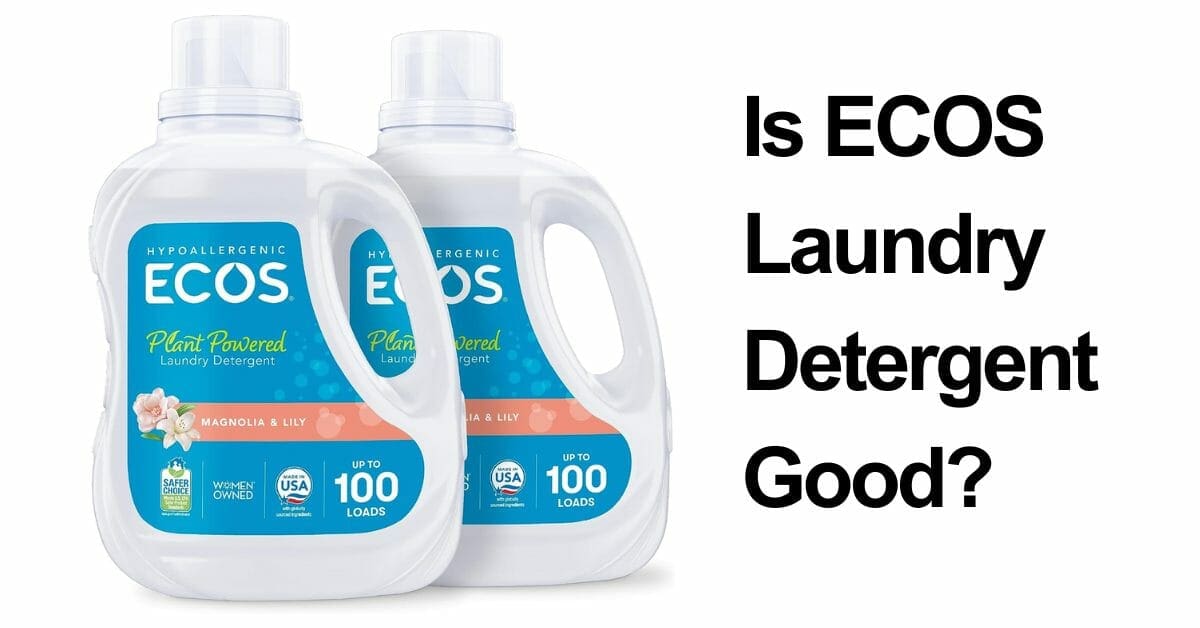
ECOS, which stands for earth-friendly products, is a company that has been producing environmentally friendly cleaning products for over 50 years. Their laundry detergent is one of their flagship products and is designed to provide effective cleaning while minimizing its impact on the planet. 

Is ECOS Laundry Detergent Good

ECOS laundry detergent is available in various formulations, including liquid and powder, to cater to different preferences and washing machine types.

Benefits for Your Clothes

Using ECOS detergent that is gentle yet effective can offer several benefits for your clothes:

Gentle on Fabrics

One of the key advantages of ECOS laundry detergent is its gentle formula. It is designed to clean your clothes effectively without causing excessive wear and tear on the fabric. This gentleness can help extend the lifespan of your clothing, keeping them in better condition for longer.

Effective Stain Removal

ECOS laundry detergent is formulated to remove stains and odors from your clothes effectively. Whether it’s grass stains on your child’s jeans or coffee spills on your favorite shirt, ECOS aims to get your laundry clean and fresh.

Hypoallergenic Options

ECOS offers hypoallergenic versions of their detergent, which can be a great choice for individuals with sensitive skin or allergies. These variants are free from common irritants like dyes and fragrances.

Versatile

ECOS laundry detergent is suitable for high-efficiency (HE) and standard washing machines, making it a versatile choice for many consumers.

Benefits for the Environment

Using ECOS laundry detergent offers several benefits for the environment, making it a responsible choice for eco-conscious consumers:

Biodegradable Ingredients

ECOS laundry detergent is made with biodegradable ingredients, which means that it breaks down naturally in the environment, reducing the risk of water pollution and harm to aquatic life.

Phosphate-Free

Unlike some traditional detergents, ECOS does not contain phosphates. Phosphates in waterways can lead to harmful algal blooms, which can have devastating effects on aquatic ecosystems.

Recyclable Packaging

The company is committed to using recyclable packaging materials, which helps reduce the amount of plastic waste that ends up in landfills or oceans.

Cruelty-Free

ECOS laundry detergent is not tested on animals, which is an important consideration for those who are concerned about animal welfare.

Sustainability Initiatives

ECOS goes beyond just creating eco-friendly products; they are also involved in various sustainability initiatives. For instance, they have a carbon-neutral manufacturing process and use renewable energy sources to power their facilities. 

Additionally, the company has received certifications from reputable organizations such as the EPA’s Safer Choice program and is a B Corporation, which means they meet high standards of social and environmental performance.

Consumer Reviews

Consumer reviews of ECOS laundry detergent are generally positive. Many users report that the detergent effectively cleans their clothes and leaves them smelling fresh. The hypoallergenic options have been particularly well-received by individuals with sensitive skin.

Final Thoughts

ECOS laundry detergent is a good choice for your clothes and the environment. Its gentle yet effective cleaning formula can help prolong the life of your garments, and its commitment to using biodegradable ingredients and recyclable packaging demonstrates a dedication to reducing its environmental footprint.

As consumers become increasingly conscious of the impact of their choices on the planet, products like ECOS laundry detergent offer a viable and responsible alternative to traditional detergents. If you want to make your laundry routine more eco-friendly without compromising on cleanliness, ECOS is worth considering.

Frequently Asked Questions (FAQs)

Is ECOS Laundry Detergent Suitable For High-Efficiency (HE) Washing Machines?

Yes, ECOS laundry detergent is compatible with HE washing machines. They offer specific formulations for these machines to ensure optimal results.

Is ECOS Laundry Detergent Harsh On Fabrics?

No, ECOS laundry detergent is formulated to be gentle on fabrics, which can help prolong the life of your clothes.

Does ECOS Laundry Detergent Have Any Specific Benefits For Sensitive Skin?

Yes, ECOS offers hypoallergenic versions of their detergent that are free from dyes and fragrances, making them suitable for individuals with sensitive skin or allergies.

Is Ecos Laundry Detergent Safe For Use In Septic Systems?

ECOS laundry detergent is generally considered safe for use in septic systems. Its biodegradable formula is less likely to harm the bacteria essential for proper septic tank function compared to some traditional detergents.

Is ECOS Laundry Detergent Cruelty-Free?

Yes, ECOS laundry detergent is cruelty-free, meaning it is not tested on animals.

Shop ECOS Laundry Detergent on Amazon

Here are our top picks available on Amazon:

ECOS Laundry Detergent Liquid — Free & Clear (100 Loads)

The classic ECOS formula — hypoallergenic, EPA Safer Choice certified, and plant-powered. Perfect for sensitive skin and everyday laundry.

Check Price on Amazon

ECOS Laundry Detergent Liquid — Magnolia & Lily (200 Loads)

A great value option with a light, natural scent. This 2-pack gives you 200 loads of dermatologist-tested, biodegradable cleaning power.

Check Price on Amazon

ECOS Laundry Detergent Packs — Plastic-Free (80 Loads)

Zero plastic packaging — these convenient packs are 100% compostable and just as effective as the liquid. Great for zero-waste households.

Check Price on Amazon

Disclosure: This post may contain affiliate links. As an Amazon Associate, we earn from qualifying purchases at no extra cost to you.

Best Eco-Friendly Laundry Detergent: Plastic-Free Solutions for a Greener Clean

Best Eco-Friendly Laundry Detergent: Plastic-Free Solutions for a Greener Clean

As our commitment to sustainability continues to grow, even the simplest of daily routines, such as laundry, are being reevaluated. Traditional laundry detergents, often in plastic containers, have long contributed to environmental pollution. This guide is your gateway into the realm of plastic-free, eco-friendly laundry detergent —products that excel at cleaning your clothes and embody a commitment to reducing plastic waste and preserving our planet.

Whether you’re a seasoned advocate for eco-conscious living or just beginning to explore sustainable alternatives, this journey will introduce you to laundry detergents that harmonize effective cleaning with a deep environmental responsibility.

The Environmental Impact of Traditional Laundry Detergents

Traditional laundry detergents, typically packaged in plastic bottles, have a substantial environmental impact. These products often contain harsh chemicals that can harm aquatic ecosystems when they enter waterways.

Eco-Friendly Laundry Detergent

Additionally, plastic packaging contributes to the global plastic pollution problem, as many of these containers end up in landfills or as litter in the environment, taking centuries to break down. Exploring eco-friendly alternatives that mitigate these detrimental effects on our planet is essential.

7 Best Eco-Friendly Laundry Detergent

Choosing an eco-friendly laundry detergent can help reduce your environmental footprint while still keeping your clothes clean and fresh. Here are seven of the best eco-friendly laundry detergents available:

1. Seventh Generation Free & Clear:

Seventh Generation is known for its commitment to sustainability. Their Free & Clear laundry detergent is made from plant-based ingredients and is free from artificial fragrances, dyes, and optical brighteners. It’s suitable for people with sensitive skin.

This detergent is biodegradable and formulated with a focus on reducing environmental impact. The company also uses recycled and recyclable packaging.

Seventh Generation’s Free & Clear detergent effectively removes stains and odors without the use of harsh chemicals. It has a mild, natural scent that comes from the plant-based ingredients.

2. Ginger Lily Farms Botanicals Plant-Based Liquid Laundry Detergent

The Ginger Lily Farms Botanicals plant-based liquid laundry detergent in Lavender offers a natural, plant-based formula with a soothing lavender scent from essential oils. It’s highly concentrated, providing up to 85 loads per 1-gallon container, making it both effective and cost-efficient.

This detergent is compatible with High Efficiency (HE) washing machines and is committed to eco-friendly and cruelty-free practices, offering a sustainable choice for environmentally conscious consumers.

3. Method 4x Concentrated Laundry Detergent

Method is recognized for its stylish and eco-conscious packaging. Their 4x concentrated formula means you can use less detergent per load while achieving excellent cleaning results.

This detergent is made with naturally derived, biodegradable ingredients, and the bottle is 100% recyclable. 

The concentrated formula reduces the amount of plastic used in packaging.

Despite being concentrated, Method’s detergent effectively tackles stains and odors. It offers a range of pleasant, natural fragrances, adding a subtle scent to your laundry if desired.

4. Mrs. Meyer’s Clean Day Laundry Detergent:

Mrs. Meyer’s Clean Day laundry detergent is known for appealing scents derived from natural essential oils. It comes in various fragrances, such as Lavender, Basil, and Lemon Verbena.

The detergent is made with plant-derived ingredients and is free from artificial colors, phthalates, and parabens. The bottles are recyclable and made from at least 25% post-consumer plastic. This detergent effectively cleans clothes and leaves them smelling fresh with a natural fragrance.

5. Biokleen Laundry Liquid:

Biokleen’s laundry liquid is a plant-based detergent free from artificial fragrances, colors, and preservatives. It’s suitable for both high-efficiency and standard washing machines. Biokleen uses biodegradable surfactants in its formula and strives to minimize their environmental impact.

The packaging is recyclable and made from post-consumer recycled materials. This detergent effectively removes stains and odors while being gentle on your clothes and the environment.

6. MyKirei Plant-Based Detergent

The MyKirei Plant-Based Detergent bundle has truly impressed me with its eco-friendly and skin-conscious approach to laundry care. The Easy-Spray Detergent is a game-changer for targeting stubborn stains, and its gentle formula ensures it’s suitable for even the most sensitive skin. What sets this bundle apart is the 2X Refill, which not only reduces waste but also extends the life of the Easy-Spray Detergent.

Both products are plant-based and eco-friendly, aligning perfectly with my commitment to sustainable living. My clothes come out clean and fresh, and I love knowing that I’m making a positive impact on the environment by choosing this bundle. Highly recommended for anyone seeking effective, eco-friendly laundry solutions!

7. Dropps Ultra Concentrated Laundry Detergent

The Dropps Ultra Concentrated laundry detergent starter kit for sensitive skin is a game-changer for laundry care. This unscented, dermatologist-approved formula is ideal for delicates and natural fibers, providing a safe and gentle cleaning experience. With a compact 16 oz bottle that yields an impressive 72 loads, it’s both cost-effective and environmentally friendly.

What sets this kit apart is the refillable bottle, which aligns perfectly with sustainability goals. It’s compatible with High Efficiency (HE) machines, making it versatile for various washer types. With Dropps, my laundry comes out clean and residue-free, without any irritating fragrances. It’s a must-have for those with sensitive skin and anyone seeking an eco-conscious laundry solution.

Benefits of Eco-Friendly Laundry Detergents

Eco-friendly laundry detergents offer several benefits for both the environment and individuals using them. Here are some of the key advantages:

Reduced Environmental Impact

Eco-friendly detergents are formulated with biodegradable and non-toxic ingredients, which means they break down more easily in the environment. Traditional detergents often contain phosphates and surfactants that can harm aquatic ecosystems when they enter waterways.

Less Pollution

Conventional detergents can release harmful chemicals and pollutants into the air and water during production and use. Eco-friendly options typically have a lower carbon footprint and produce fewer harmful emissions.

Gentler on Skin

Many eco-friendly detergents are hypoallergenic and free of harsh chemicals, making them less likely to cause skin irritations or allergies. This is particularly beneficial for individuals with sensitive skin.

No Harsh Chemical Residues

Eco-friendly detergents are designed to rinse away more cleanly, leaving fewer chemical residues on clothing. This can help extend the lifespan of your clothes and reduce skin irritation.

Energy and Water Savings

Some eco-friendly detergents are formulated to work effectively in cold water, which can significantly reduce energy consumption during laundry. They also often require less water for rinsing.

Safer for Pets and Children

Since eco-friendly detergents tend to be free of harmful chemicals, they are safer for pets and children who may come into contact with laundered items.

Biodegradable Packaging

Many eco-friendly detergent brands use eco-conscious packaging, such as recyclable or biodegradable materials, which further reduces their environmental impact.

Cruelty-Free

Eco-friendly brands often refrain from animal testing and adhere to cruelty-free practices, making them a more ethical choice for consumers who are concerned about animal welfare.

Support for Sustainable Practices

By purchasing eco-friendly detergents, consumers support companies that prioritize sustainability and responsible sourcing of ingredients. This encourages more environmentally friendly practices in the industry.

Healthier Indoor Air Quality

Eco-friendly detergents are typically free of synthetic fragrances and volatile organic compounds (VOCs), which can contribute to poor indoor air quality. Using these detergents can help maintain a healthier home environment.

Less Chemical Waste

Traditional detergents can introduce harmful chemicals into wastewater, which can be challenging to treat. Eco-friendly detergents produce less chemical waste, reducing the burden on wastewater treatment facilities.

Government Regulations

Some regions and countries have regulations and standards in place that encourage or require the use of eco-friendly laundry detergents, further promoting their adoption.

Final Thoughts

In conclusion, the journey to find plastic-free, eco-friendly laundry detergents is not just about cleaner clothes; it’s about cleaner consciences and a cleaner planet. By choosing products that prioritize sustainability, we reduce our environmental footprint and contribute to the growing movement for a plastic-free future. 

Whether you opt for trusted brands or explore DIY alternatives, each step towards a greener laundry routine is a step towards a more sustainable world. So, let’s keep washing our clothes and our conscience clean, one eco-friendly choice at a time.

Best Eco-Friendly Toilet Paper in UK: Choosing Sustainability for a Greener

In recent years, there has been a growing awareness of the environmental impact of everyday products, leading many consumers to seek sustainable alternatives to products like eco-friendly toilet paper. One such essential item that has come under scrutiny is toilet paper. Traditional toilet paper production involves cutting down forests and contributes to deforestation, habitat destruction, and climate change.

Disclosure: This post may contain affiliate links. As an Amazon Associate, we earn from qualifying purchases at no extra cost to you.

Best Eco-Friendly Toilet Paper in UK

Fortunately, the UK market offers a variety of eco-friendly toilet paper options that allow consumers to make a positive impact on the environment while maintaining personal hygiene. In this article, we will explore the best eco-friendly toilet paper options in the UK and discuss their environmental benefits.

Environmental Impact of Eco-Friendly Toilet Paper

Eco-friendly toilet paper, often made from recycled materials or sustainably sourced fibers, boasts a reduced environmental footprint compared to traditional counterparts. By utilizing recycled paper and sustainable sourcing, it helps curb deforestation and habitat destruction associated with virgin wood pulp production.

Moreover, eco-friendly options often involve eco-conscious manufacturing processes, minimizing water usage, chemical impact, and energy consumption. Reduced packaging and transportation emissions further contribute to their overall positive environmental profile. Choosing such alternatives aligns with sustainable practices and supports conservation efforts.

Common Misconceptions About Eco-Friendly Toilet Paper

Here are some common misconceptions about eco-friendly toilet paper:

  1. Not Soft or Durable: One misconception is that eco-friendly toilet paper is not as soft or durable as conventional options. However, many sustainable brands offer products with comparable softness and strength, dispelling the notion that eco-friendly means sacrificing comfort.
  2. Expensive: Another misconception is that environmentally friendly toilet paper is significantly more expensive. While some eco-friendly options may have a slightly higher upfront cost, this is not universally true, and the long-term environmental benefits often outweigh the initial investment.
  3. Limited Choices: Some people believe that eco-friendly toilet paper comes in limited varieties or lacks the options available with conventional brands. In reality, there is a growing market for sustainable toilet paper, offering various types, including recycled, bamboo, and other environmentally conscious choices.
  4. Inferior Quality: There is a misconception that eco-friendly toilet paper is of inferior quality, with concerns about rough texture or reduced thickness. However, reputable brands prioritize quality and comfort while maintaining sustainable practices.
  5. Ineffective in Septic Systems: Some individuals think that eco-friendly toilet paper may not break down effectively in septic systems. Many eco-friendly options are specifically designed to be septic-safe and biodegradable, dispelling this common misconception.

Consumers need to research and choose eco-friendly toilet paper options based on their preferences and priorities, considering factors such as material sourcing, production processes, and overall environmental impact.

Top 5 Eco-Friendly Toilet Papers in the UK

Here are eco-friendly toilet paper brands that are popular for their sustainable practices:

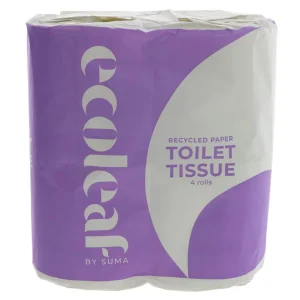
1. Ecoleaf Recycled Paper Toilet Tissue

Ecoleaf Recycled Paper Toilet Tissue

Ecoleaf offers soft and environmentally friendly toilet tissue made from 100% recycled paper. This 2-ply tissue is free from dioxins, organochlorines, and additional inks or chemical residues. With 9 rolls containing approximately 240 sheets each, it’s a sustainable choice made in the UK. The packaging, now in recycled and recyclable paper, aligns with the brand’s commitment to sustainability.

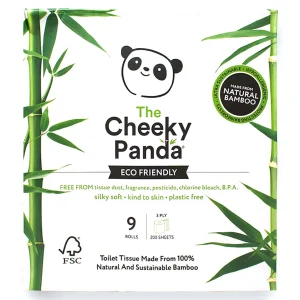
2. The Cheeky Panda Bamboo Toilet Tissue

The Cheeky Panda Bamboo Toilet Tissue

The Cheeky Panda presents a bamboo toilet tissue that is not only incredibly soft but also sustainable. With 9 rolls of 3-ply tissue, each containing 200 sheets, it’s made from 100% responsibly sourced bamboo. Bamboo’s rapid growth and eco-friendly properties make it a great alternative. The use of waste bamboo supports farmers and creates job opportunities, contributing to a more sustainable and healthier toilet paper option.

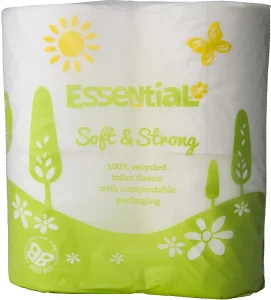
3. Essential Trading Soft Recycled Toilet Tissue

Essential Trading Soft Recycled Toilet Tissue

Essential Trading offers a super-soft, 2-ply recycled toilet tissue made from washed recycled paper, processed with an oxygen bleaching method. This eco-friendly choice uses 40-60% less energy than traditional tree-based paper production, significantly reducing air pollution. Awarded the Ethical Consumer Best Buy label, this UK-made toilet tissue comes in 100% compostable and biodegradable outer packaging made from GM-free potato starch.

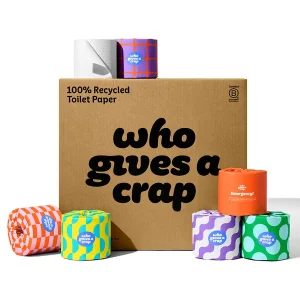
4. Who Gives a Crap Recycled Double Length Toilet Tissue

Who Gives a Crap Recycled Double Length Toilet Tissue

Who Gives a Crap delivers an eco-friendly alternative with their recycled double-length toilet tissue. Made from 100% recycled books and office paper, this 3-ply roll is packaged in plastic-free paper. With 48 rolls containing 400 sheets each, it’s a strong and soft option. The brand’s commitment to social impact is evident, as 50% of profits are donated to building toilets for those in need.

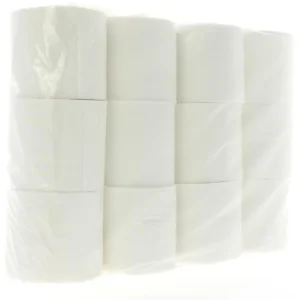
5. Ecoleaf Recycled Paper Toilet Tissue (Bulk Pack)

Ecoleaf Recycled Paper Toilet Tissue - Pack of 12

Ecoleaf provides a 100% recycled toilet paper made in the UK from locally sourced consumer and trade waste. Packaged in 30% post-consumer recycled (PCR) wrap, this bulk pack of 12 toilet rolls offers both environmental consciousness and value for money. With 2-ply sheets and 220 sheets per roll, it’s a practical and sustainable choice, emphasizing its partnership with Treesponsibility to minimize environmental impact.

Tips for Making Your Toilet Routine More Sustainable

Here are some tips for making your toilet routine more sustainable:

  1. Choose Eco-Friendly Toilet Paper: Opt for toilet paper made from recycled materials or bamboo, as these alternatives have a lower environmental impact than traditional virgin wood pulp options.
  2. Reduce Water Usage: Consider installing a low-flow toilet or a dual-flush system to minimize water consumption with each flush. Additionally, fixing leaks promptly and avoiding unnecessary flushes can contribute to water conservation.
  3. Use Biodegradable Wipes: If you use wet wipes, choose biodegradable and flushable options. However, it’s important to check the packaging to ensure they are suitable for flushing without causing plumbing issues.
  4. Compostable Trash Bags: If you dispose of used tissues or non-flushable items in a bathroom trash bin, use compostable trash bags to reduce the environmental impact.
  5. Fix Leaks Promptly: A leaking toilet can waste a significant amount of water. Regularly check for leaks and repair them promptly to conserve water.
  6. Consider Bidets or Washlets: Installing a bidet or a washlet can significantly reduce the need for toilet paper, promoting a more sustainable and hygienic bathroom routine.
  7. Switch to Sustainable Cleaning Products: Choose environmentally friendly toilet bowl cleaners and disinfectants to minimize the use of harsh chemicals that can be harmful to aquatic ecosystems.
  8. Educate on Proper Disposal: Clearly communicate proper disposal practices to avoid flushing items like dental floss, cotton swabs, and feminine hygiene products, which can contribute to plumbing issues and environmental pollution.
  9. Harvest Rainwater: If feasible, use harvested rainwater for flushing toilets. This reduces reliance on treated water for a non-potable purpose.
  10. Invest in a Toilet Upgrade: If your toilet is outdated, consider investing in a new, more water-efficient model. Look for toilets with the WaterSense label, indicating they meet water efficiency and performance criteria.

By incorporating these tips into your toilet routine, you can contribute to a more sustainable and eco-friendly bathroom experience.

Wrapping Up

As consumers become more environmentally conscious, the demand for eco-friendly alternatives continues to drive innovation in various industries, including the production of toilet paper. In the UK, a wide range of eco-friendly toilet paper options are available, from recycled to bamboo and tree-free alternatives.

By making informed choices and opting for brands that prioritize sustainability, consumers can contribute to the preservation of forests, reduction of carbon footprints, and the overall well-being of our planet. Choosing eco-friendly toilet paper is a small yet impactful step toward a more sustainable future.

Eco-Friendly Toilet Paper Available on Amazon

Here are our top picks available on Amazon:

Who Gives A Crap 100% Recycled Toilet Paper — 48 Rolls

Made from 100% recycled paper, wrapped in paper (no plastic), and 50% of profits go to sanitation projects in developing countries. One of the most popular eco toilet paper brands worldwide.

Check Price on Amazon

Caboo Tree-Free Bamboo Toilet Paper — 24 Rolls

Made from sustainable bamboo and sugarcane — no trees cut down, no bleach, no dyes. Soft, strong, and genuinely plastic-free packaging.

Check Price on Amazon

Seventh Generation White Unbleached Toilet Paper — 60 Rolls

Made from 100% recycled paper with no dyes, inks, or fragrances. A widely available, affordable eco toilet paper option for everyday use.

Check Price on Amazon

Disclosure: This post may contain affiliate links. As an Amazon Associate, we earn from qualifying purchases at no extra cost to you.

Difference between Lip Balm and Chapstick for Lip Care?

The world of lip care products is filled with many options, but two of the most common and widely used products are lip balm and chapstick. While these two terms are often used interchangeably, subtle differences set them apart regarding composition, purpose, and effectiveness. This comprehensive article will delve into the distinctions between lip balm and chapstick, helping you make an informed choice for your lip care needs.

Disclosure: This post may contain affiliate links. As an Amazon Associate, we earn from qualifying purchases at no extra cost to you.

lip care

Understanding Lip Balm

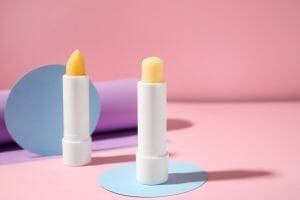
Lip balm, often referred to as lip salve or lip ointment, is a cosmetic product designed to moisturize, soothe, and protect the delicate skin of the lips. It is typically made from natural ingredients, such as beeswax, shea butter, coconut oil, and essential oils. These ingredients create a barrier on the lips, locking in moisture and preventing them from drying out. The primary purpose of lip balm is to provide hydration and avoid chapping, making it an excellent choice for individuals with dry or sensitive lips.

Key Characteristics of Lip Balm:

  • Moisturization: Lip balm’s primary function is to hydrate the lips and prevent moisture loss.
  • Ingredients: Lip balm often contains natural ingredients like beeswax and essential oils.
  • Packaging: Lip balm is usually sold in small, round containers or tubes.
  • Variety: Lip balm may come in different flavors and scents to cater to personal preferences.
  • Skin Benefits: In addition to lip care, lip balms may offer additional skin benefits, such as protection from the sun’s UV rays.

Understanding Chapstick

Chapstick is a brand name that has become synonymous with lip care products. However, it is essential to note that Chapstick is a specific brand, and the term is often used generically to refer to any lip balm product. In reality, Chapstick is one of many lip balm brands available in the market. Despite this, some characteristics are commonly associated with Chapstick and set it apart from other lip balm products.

Key Characteristics of Chapstick:

  • Origin: Chapstick was one of the first commercial lip balm brands and is widely recognized.
  • Simplicity: Chapstick is often associated with a more basic, straightforward formulation.
  • Packaging: Chapstick is typically sold in cylindrical tubes that twist up for application.
  • Texture: Some people find that Chapstick has a smoother, less waxy texture than other lip balms.
  • Limited Varieties: While Chapstick offers some flavor options, it is often considered less diverse in flavors and scents than other lip balm brands.

Distinguishing Between Lip Balm and Chapstick

Lip balm and Chapstick are popular products used to moisturize and protect the lips, but they are different. Here are some key differences to help you distinguish between the two:

Ingredients

Lip balm products, including Chapstick, may contain various ingredients. However, in general, lip balms tend to use more natural ingredients like beeswax and shea butter. While not exclusively, Chapstick is often associated with a more straightforward formula.

Brand Name

Chapstick is a specific brand of lip balm, while lip balm is a broader category of products that includes various brands and formulations.

Texture

Some users may find that Chapstick has a smoother, less waxy texture than other lip balms. This can vary depending on the specific Chapstick product and formulation.

Packaging

Chapstick is commonly sold in cylindrical tubes that twist up for easy application, while lip balm products may come in various packaging options, including tubes, pots, or jars.

Varieties

Lip balm products often come in a wide range of flavors and scents to cater to individual preferences, while Chapstick may have a more limited selection.

Final Thoughts

In the world of lip care, understanding the subtle distinctions between lip balm and Chapstick can help you make an informed choice when selecting the right product for your needs. While both serve the fundamental purpose of moisturizing and protecting your lips, their choice often comes down to personal preference, specific ingredients, branding, and texture.

Lip balm, typically made with natural ingredients like beeswax and essential oils, offers diverse formulations and flavors to cater to individual preferences. On the other hand, Chapstick, a well-known brand in the lip care industry, is often associated with simplicity and recognizable packaging. It may have a more straightforward formula and texture that some users prefer.

Frequently Asked Questions (FAQs)

Is The Texture Of Chapstick Different From Other Lip Balms?

Some users may find that Chapstick has a smoother, less waxy texture than certain lip balm brands. However, this can vary depending on the specific product and formulation.

Can I Use Lip Balm And Chapstick Interchangeably?

Yes, you can use lip balm and Chapstick interchangeably for lip care. They both moisturize and protect your lips.

Can I Find Lip Balms And Chapsticks At Most Drugstores And Supermarkets?

Yes, both lip balm and Chapstick products are widely available and can be found at most drugstores, supermarkets, beauty supply stores, and online retailers.

Can I Use Lip Balm Or Chapstick Under Lipstick Or Lip Gloss?

Yes, you can apply lip balm or Chapstick as a base layer before applying lipstick or lip gloss. This can help create a smoother surface and prevent your lips from drying out when wearing cosmetics.

Our Favorite Eco-Friendly Organic Lip Balms on Amazon

Here are our top picks available on Amazon:

Dr. Bronner’s Organic Lip Balm 6-Pack

A cult favorite — certified fair trade, petroleum-free, and made with beeswax and avocado oil. Available in unscented and natural flavors, perfect for sensitive lips.

Check Price on Amazon

Sky Organics USDA Organic Lip Balms 6-Pack

Six assorted flavors of USDA-certified organic lip care. Moisturizes, soothes, and softens without synthetic chemicals or petroleum.

Check Price on Amazon

Earth’s Daughter USDA Organic Lip Balm 6-Pack

Fruit-flavored organic balms made with beeswax, coconut oil, and vitamin E. A natural, plastic-packaged alternative to conventional chapstick.

Check Price on Amazon

Disclosure: This post may contain affiliate links. As an Amazon Associate, we earn from qualifying purchases at no extra cost to you.

Best Reusable Containers for Freezing Food: Sustainable Storage Solutions

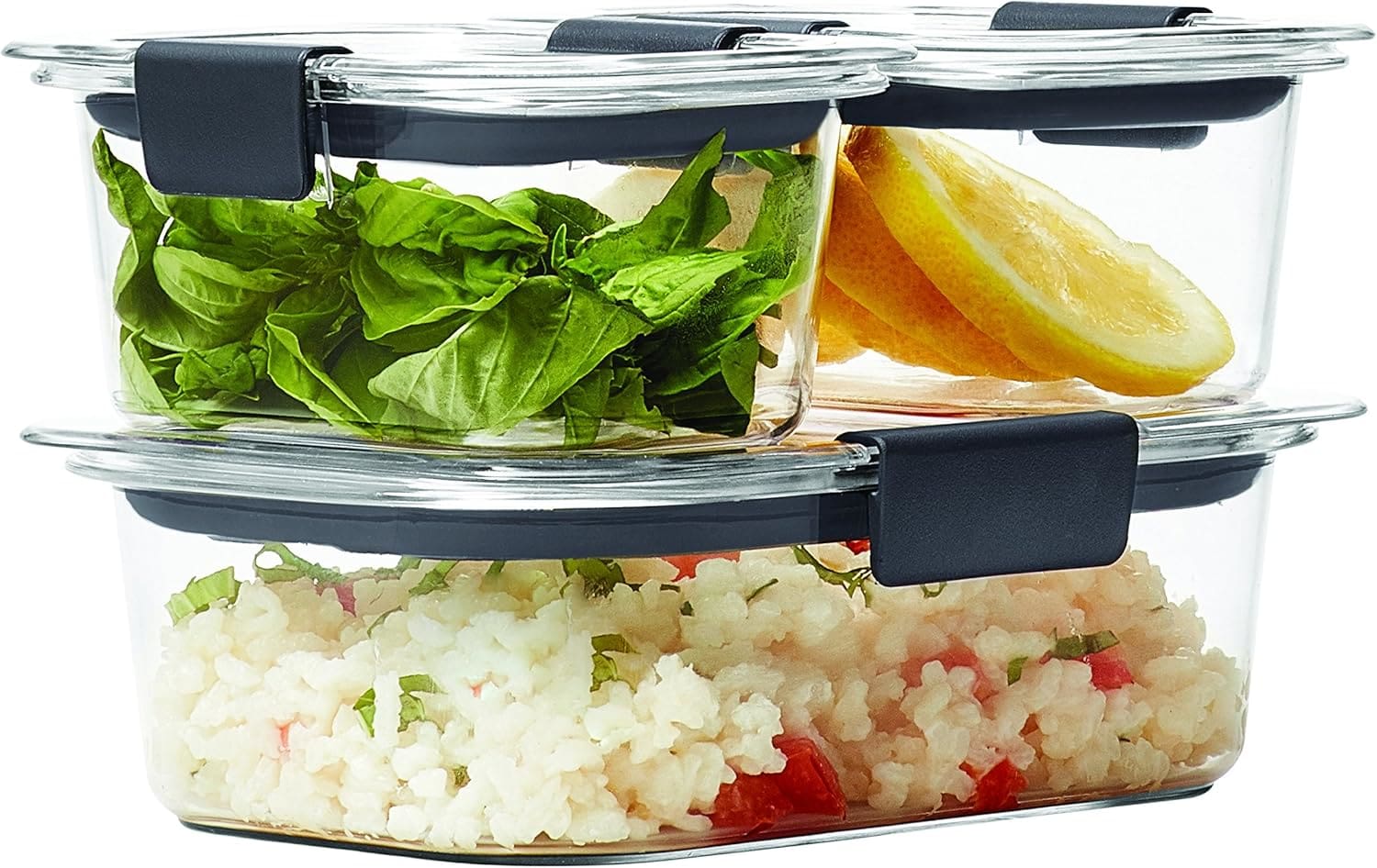
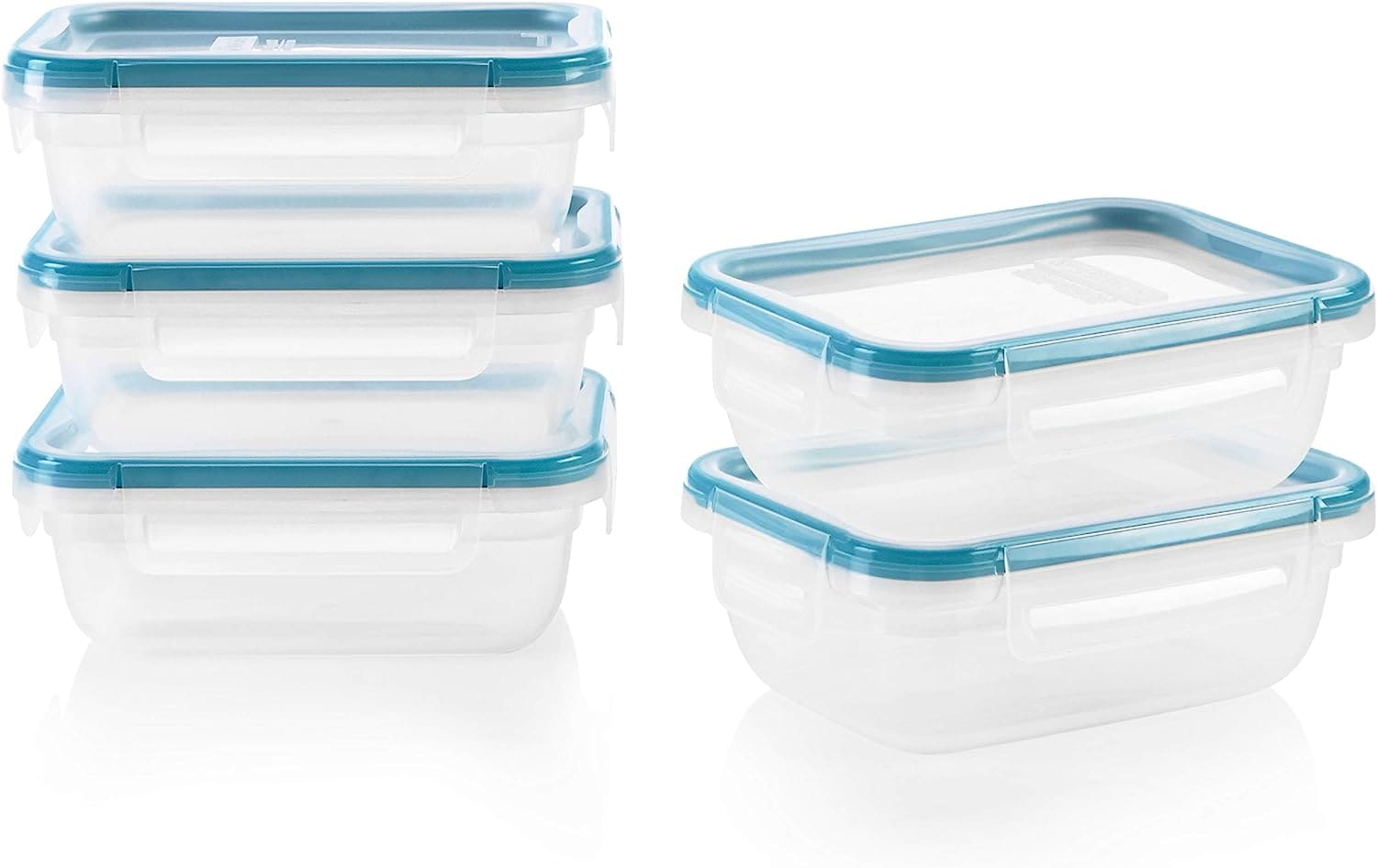
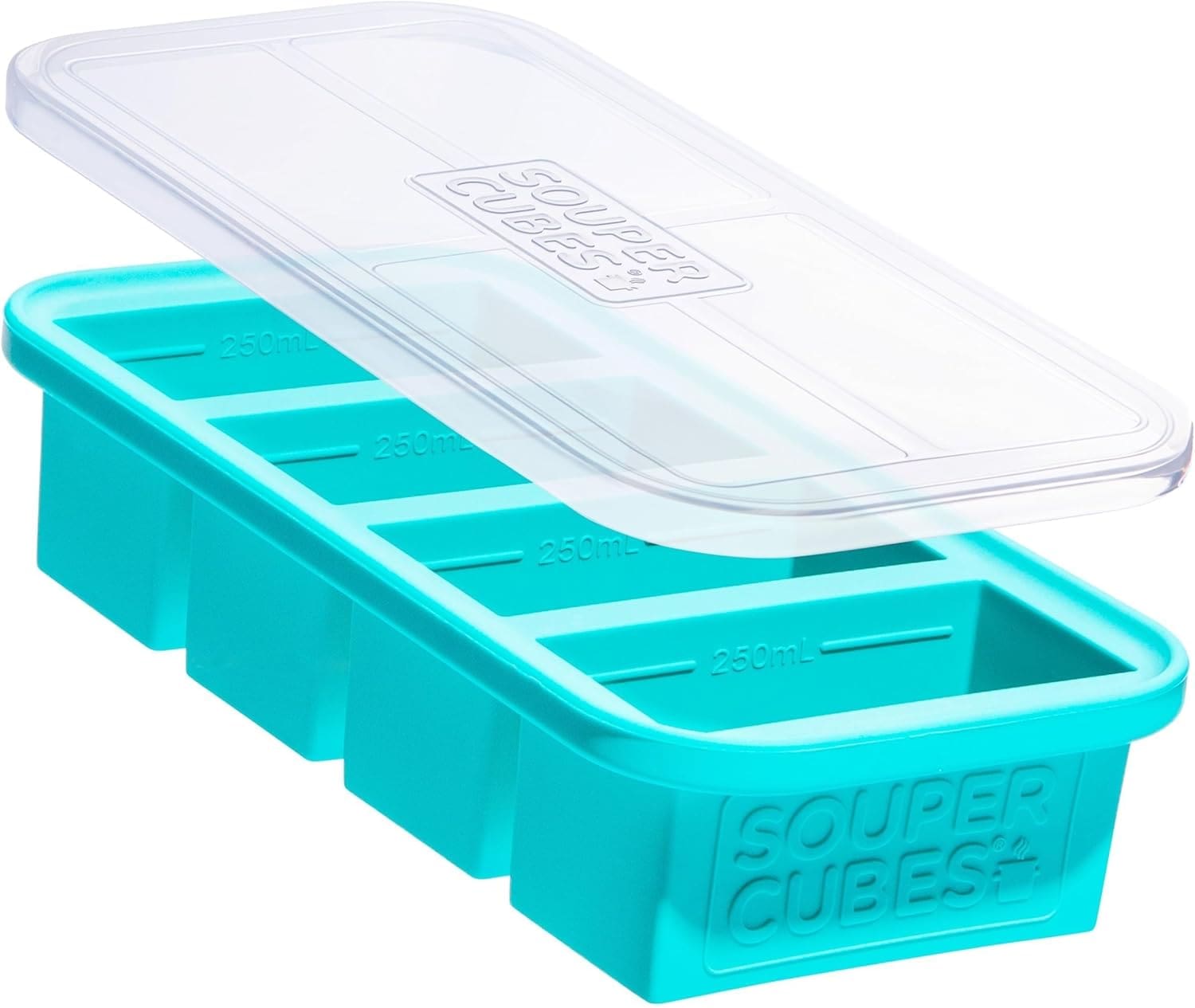
Freezing food is a practical and sustainable way to reduce food waste and save money. However, to achieve optimal results, it is crucial to use the right containers. Reusable containers for freezing food are essential for maintaining freshness, preventing freezer burn, and ensuring easy storage and reheating.

Disclosure: This post may contain affiliate links. As an Amazon Associate, we earn from qualifying purchases at no extra cost to you.

In this article, we will explore the best reusable containers for freezing food, highlighting their features, benefits, and how to choose the right ones for your needs.

Why Reusable Containers for Freezing Food?

Reusable containers offer several key advantages for freezing food compared to single-use options:

Sustainability

Reusable containers are a more eco-friendly choice compared to disposable options like plastic bags or single-use plastic containers. By using reusable containers, you can significantly reduce the amount of waste going to landfills or oceans. This supports a more sustainable lifestyle and helps minimize your environmental impact.

Cost-Effectiveness

While reusable containers may have a higher upfront cost, they end up being more cost-effective in the long run. You won’t have to continuously purchase new disposable containers each time you want to freeze food. The initial investment in quality reusable containers pays off over time through the multiple uses you’ll get out of them.

Durability

Reusable containers are designed to withstand the rigors of freezing and thawing. They are made from durable materials like BPA-free plastic, silicone, or glass that can handle repeated use. This means you won’t have to replace them as often as flimsy disposable options that may break or degrade over time.

Food Safety

Reusable containers often have airtight lids or seals that prevent air from getting in and causing freezer burn. This helps maintain the freshness and quality of your frozen foods. The secure seals also prevent leaks, keeping your freezer clean and organized.

Versatility

Many reusable containers are designed to be multifunctional. They can be used not only for freezing, but also for refrigerator storage, microwave reheating, and even serving. This versatility makes them a convenient choice for meal prep, storage, and transport.

By considering these key advantages, it’s clear that reusable containers are a smart and sustainable choice for freezing and storing your food.

Top 8 Reusable Containers for Freezing Food

Freezing food is a practical and sustainable way to reduce waste and save money. However, using the right reusable containers is key for maintaining freshness, preventing freezer burn, and enabling easy storage and reheating. Let’s explore some of the best reusable options for freezing food, highlighting their features, pros, and cons.

1. Rubbermaid Brilliance Food Storage Containers

Rubbermaid Brilliance Food Storage Containers
 

The Rubbermaid Brilliance containers are a top choice for freezing food. They feature airtight lids that ensure a tight seal to prevent leaks and freezer burn. Made from durable, BPA-free plastic, they are resistant to scratches and stains. Another great feature is that they are microwave and dishwasher safe, making reheating and cleaning very convenient.

Pros:

  • Airtight lids provide a secure seal
  • Durable BPA-free plastic construction
  • Microwave and dishwasher safe
  • Stackable for easy freezer organization

Cons:

  • May stain over time, especially with certain foods

2. Snapware Total Solution Plastic Food Storage

Snapware Total Solution Plastic Food Storage
 

Snapware offers an affordable and practical option for freezing food in reusable containers. They are stackable for easy freezer storage and have lids that lock into place for a secure seal. Made from BPA-free plastic, they are safe for storing food.

Pros:

  • Budget-friendly price point
  • Stackable for compact storage
  • Locking lids for a tight seal
  • BPA-free plastic

Cons:

May stain over time, especially with richly colored foods

3. Souper Cubes Silicone Freezer Trays

Souper Cubes Silicone Freezer Trays

For those looking for a flexible, easy-to-use option, Souper Cubes silicone freezer trays are a great choice. Made from durable silicone, they are reusable and dishwasher safe for easy cleaning. The trays are stackable for compact freezer storage. While not ideal for liquids, they work well for freezing individual portions of soups, sauces, and other foods.

Pros:

  • Flexible silicone material
  • Reusable and dishwasher safe
  • Stackable for efficient storage
  • Easy to pop out frozen portions

Cons:

  • May not be best for freezing liquids

4. Bentgo 20-Piece Lightweight, Durable, Reusable BPA-Free 1-Compartment Containers

Bentgo 20-Piece Lightweight

Bentgo offers a set of lightweight, durable, and reusable containers perfect for freezing individual portions. Made from BPA-free plastic, they are built to withstand repeated use. The compact size makes them easy to carry and store in the freezer. While the single compartment design limits capacity, they are ideal for freezing single servings of meals, sides, or snacks.

Pros:

  • Lightweight and portable
  • Durable BPA-free plastic
  • Reusable for multiple uses
  • Compact size for freezer storage

Cons:

  • Limited capacity per container

5. YouCopia FreezeUp Freezer Food Block Maker

YouCopia FreezeUp Freezer Food Block Maker

For those who want to freeze food in convenient blocks, the YouCopia FreezeUp trays are a great choice. Made from reusable silicone, they allow you to easily freeze individual portions of soups, sauces, and more. The compact size takes up minimal space in the freezer. While not suitable for large quantities, they are perfect for freezing single servings.

Pros:

  • Reusable silicone material
  • Easy to use for freezing food blocks
  • Compact size for efficient freezer storage

Cons:

  • Limited capacity per tray

6. Walfos Reusable Freezer Containers

Walfos Reusable Freezer Containers
#image_title

Walfos offers a set of reusable freezer containers made from durable, BPA-free plastic. They are microwave and dishwasher safe for added convenience. The containers have tight-fitting lids to prevent freezer burn. While the single-serving size may not be suitable for large meals, they are perfect for freezing individual portions of soups, sauces, and other foods.

Pros:

  • BPA-free plastic construction
  • Reusable for multiple uses
  • Microwave and dishwasher safe
  • Tight-fitting lids for an airtight seal

Cons:

  • Limited capacity per container

7. Freshmage Freezer Containers with Lids

Freshmage Freezer Containers with Lids
 

Freshmage provides reusable freezer containers made from BPA-free plastic. They feature airtight twist-top lids to prevent freezer burn. The containers are microwave and dishwasher safe, making reheating and cleaning easy. While the single-serving size may not be suitable for large meals, they are perfect for freezing individual portions of soups, sauces, and other foods.

Pros:

  • Reusable BPA-free plastic
  • Airtight twist-top lids
  • Microwave and dishwasher safe

Cons:

  • Limited capacity per container

8. Zoku Neat Stack Food Storage Containers

Zoku Neat Stack Food Storage Containers

Zoku offers a unique set of reusable freezer containers with built-in portion size labels. This makes it easy to portion out meals and snacks. They also include a cooling freezer pack to keep food cold during transport. Made from BPA-free plastic, they are reusable and durable. While not ideal for liquids, they work well for freezing individual portions of solid foods.

Pros:

  • Reusable BPA-free plastic
  • Built-in portion size labels
  • Includes cooling freezer pack
  • Compact stacking design

Cons:

  • May not be best for freezing liquids

How to Choose the Right Reusable Container

When selecting reusable containers for freezing food, the material is a crucial consideration. Choose containers made from BPA-free plastics, silicone, or glass to ensure food safety. Avoid materials that may become brittle or crack at freezer temperatures. An airtight seal is also essential to prevent freezer burn and maintain food freshness. Look for containers with tight-fitting lids or seals that can be reinforced with freezer tape if needed.

The size of the containers is another important factor. Pick containers that are the right capacity for your needs – not too small or too large. Larger containers over 1/2 gallon can cause food to freeze too slowly, leading to quality issues. Durability is also key, as the containers need to withstand repeated freezing and thawing. Choose scratch and stain-resistant materials that can hold up well over time.

Ease of cleaning and maintenance should also be considered. Select containers that are dishwasher safe for added convenience. Versatility is another plus, as containers that can be used for both freezing and reheating are especially useful. Finally, balance the cost with quality and durability to ensure you get the best value. While reusable containers may have a higher upfront cost, they are more cost-effective in the long run compared to disposable options.

Tips for Using Reusable Containers

Here are some tips for using reusable containers for freezing food:

  • Label and Organize: Label containers with the contents and date of freezing to ensure easy identification and organization.
  • Leave Headroom: Leave enough headroom in containers to allow for expansion during freezing.
  • Freeze Quickly: Freeze food quickly to prevent bacterial growth.
  • Thaw Safely: Thaw frozen food in the refrigerator or cold water to prevent bacterial growth.
  • Reheat Properly: Reheat frozen food to safe temperatures to prevent bacterial contamination.

Bottom Line

Reusable containers for freezing food are a sustainable and cost-effective solution for meal prep and storage. By choosing the right containers and following proper usage guidelines, you can enjoy the benefits of a well-organized freezer, reduce food waste, and save money in the long run.

Whether you prefer plastic, silicone, or glass containers, there is a suitable option for every household. With the right containers and practices, you can make the most of your freezer and enjoy the convenience and savings that come with it.