Impact-Site-Verification: 1e3d2313-b0e7-4992-a813-82fd283caced

Best Reusable Paper Towels of 2026: Ditch Disposables and Cut Waste for Good

The average American household burns through more than 80 rolls of paper towels every year — that’s a staggering amount of waste heading straight to landfills, not to mention the trees, water, and energy used to produce them.

The great news? Reusable paper towels have never been better. The top picks for 2026 are genuinely absorbent, easy to launder, and pay for themselves within weeks.

Note: This post contains product recommendations based on independent research. We aim to highlight the best eco-friendly options available.

Whether you’re just starting your zero-waste journey or trying to plug the last leak in your sustainable home, swapping disposable paper towels for a reusable alternative is one of the simplest, most impactful changes you can make. Here’s everything you need to know to make the switch.

Why Reusable Paper Towels Are Worth It

Paper towels seem harmless, but the numbers tell a different story. The U.S. alone consumes roughly 13 billion pounds of paper towels annually — and almost none of it is recyclable because paper towels are typically made from recycled fibers that can’t be recycled again.

Reusable alternatives fix all of that at once.

A single set of reusable cotton or cellulose towels can replace hundreds of rolls over its lifetime. You save money, generate almost no waste, and avoid the bleaches and chlorine that go into conventional paper towel production.

Most households recoup the cost of their first reusable set within a month or two of normal use. Over a year, the savings can easily reach $100 or more — and the environmental impact compounds every time you reach for the reusable drawer instead of the roll.

What to Look for When Shopping

Not all reusable towels are created equal. Here are the main factors worth considering before you buy:

Material: Cotton flannel is soft and gets more absorbent with each wash. Cellulose-cotton blends (used in Swedish dishcloths) are ultra-absorbent and dry quickly, making them ideal for kitchen spills. Hemp adds durability and natural antimicrobial properties.

Size and thickness: Standard paper-towel-sized sheets (about 12″ x 12″) are the easiest to use on an existing roll holder. Thicker cloths handle bigger spills but take longer to dry.

Certifications: Look for GOTS-certified organic cotton, OEKO-TEX Standard 100, or similar third-party verification that the materials are free of harmful chemicals.

Washability: The best options are machine washable on regular cycles and hold up to 200+ washes without pilling or falling apart.

Packaging: A true zero-waste swap should come in minimal, plastic-free packaging — ideally recycled cardboard or a compostable bag.

The Best Reusable Paper Towels of 2026

1. Marley’s Monsters UNpaper Towels — Best Overall

Marley’s Monsters has built a devoted following with their UNpaper Towels, and for good reason. Made from 100% cotton flannel in Eugene, Oregon, these towels start soft and get even more absorbent after the first several washes.

They come on a roll of 24 and fit standard paper towel holders, so the transition is seamless. Each towel is double-layered for extra thickness, and the flannel construction means they don’t leave lint behind on glass or counters.

Marley’s Monsters uses upcycled and deadstock fabrics whenever possible, which means each order has an even smaller footprint than you’d expect. The prints are cheerful and varied — you get a mix of patterns with each roll, making them easy to grab quickly from a holder.

Rated to last 200+ machine washes, a single roll can realistically replace 2–3 years of paper towel purchases for a typical household.

Check Price

2. Papaya Reusables — Best for Spills

If your biggest paper towel need is cleaning up liquid spills, Papaya Reusables deserve a serious look. Their towels are made from a 70% cellulose / 30% cotton blend — the same material used in classic Swedish dishcloths — making them dramatically more absorbent than cotton flannel alone.

Each towel can absorb up to 15 times its weight in liquid and wrings out cleanly, ready to be used again immediately. One Papaya towel is marketed as replacing up to 17 rolls of conventional paper towels over its lifespan.

The set comes with small hooks for hanging towels to air-dry between uses, which keeps them fresh and extends their life. The towels are also home-compostable at end of life — just cut them up and toss them in your bin.

They’re available in a range of minimalist designs and work equally well on counters, stovetops, and dishes.

Check Price

3. Swedish Dishcloths (Wettex) — Best for Versatility

Swedish dishcloths have been popular in Scandinavia since the 1940s, and they’re finally mainstream in the U.S. — for good reason. Made from a natural cellulose and cotton blend, they’re incredibly thin when dry but expand to full absorbency the moment they hit water.

A single cloth soaks up 15–20 times its weight in liquid, dries in a fraction of the time cotton takes, and can be cleaned in the dishwasher, microwave, or washing machine. They’re naturally antibacterial when dry, which means they don’t develop the musty smell that plagues synthetic sponges.

Wettex is the original Swedish brand, made with OEKO-TEX certified materials. Other well-reviewed options include Skoy and Full Circle. At the end of their life — typically 6–12 months of daily use — they break down completely in a home compost bin.

Swedish dishcloths are particularly well-suited for wiping counters, cleaning up stovetop spills, and washing dishes. They double as a sponge replacement, making them especially cost-effective.

Check Price

4. Geometry’s Not Paper Towels — Best for Fun Designs

If sustainability and personality go hand in hand for you, Geometry’s Not Paper Towels deliver both. Available in over 60 patterns and color combinations, these machine-washable towels are made from 100% cotton and sized to standard paper-towel dimensions.

Geometry is a certified B Corporation, which means the company meets rigorous standards for social and environmental performance. Their manufacturing processes minimize water use and dye runoff, and the towels come packaged without any plastic.

They’re slightly thinner than Marley’s Monsters’ double-layered flannel, but they’re fast-drying and hold up beautifully through hundreds of washes. For households where aesthetics matter, having towels you actually enjoy using makes it much easier to stick with the habit.

Check Price

5. Grove Co. Reusable Paper Towels — Best Budget Pick

Grove Collaborative’s reusable towels are a great entry point if you want to try the switch without a big upfront investment. Made from a soft terry cotton blend, they’re machine washable, absorbent, and sized to fit most paper towel holders when rolled up.

Grove Co. is a certified B Corp with a strong sustainability track record — all their products are plastic-free, and they’ve committed to being 100% plastic-free across their supply chain. The towels come in a simple, attractive natural cotton color that works with any kitchen aesthetic.

They’re not the most durable option on this list, but at their price point they offer excellent value, especially for households that want to test the reusable paper towel lifestyle before committing to a pricier set.

Check Price

How to Make the Transition Easier

The biggest barrier to switching isn’t the products — it’s the habit. Here are a few tricks that make the transition nearly effortless:

Keep reusable towels in the same spot as your old roll. If your paper towel holder is on the counter, put a roll of reusable towels there instead. Out of sight means out of mind.

Use a small basket for used towels. Drop used towels into a basket near the sink, then throw the whole batch in the wash with your regular laundry. No extra effort required.

Start with one category of use. Some people find it easier to replace paper towels for counter wiping first, then expand to other uses once the habit is established.

Keep a small biodegradable stash for messy tasks. Raw meat handling or toxic spills that need to be contained are the one case where disposable still makes sense. A small emergency stash takes the pressure off completely.

Are Reusable Paper Towels Actually Better for the Environment?

The short answer: overwhelmingly yes — once you’ve used them enough times to offset the energy and water used to produce them.

Cotton towels have a higher production footprint than a single roll of paper towels, but that cost is quickly amortized across hundreds of uses. Studies on reusable vs. disposable textiles consistently show that reusable options become the better environmental choice after roughly 20–50 uses — and most reusable paper towels are designed for 200 or more.

The key is to wash them in full loads and avoid tumble-drying when possible. Air-drying reusable towels takes the carbon footprint close to zero on a per-use basis.

Final Thoughts

Reusable paper towels are one of those swaps that sounds like a sacrifice but turns out to be genuinely better in every practical way. They’re more absorbent, softer, and cheaper per use than anything in the disposable aisle.

If you’re only going to make one zero-waste swap in your kitchen this year, this is a strong candidate. Start with Marley’s Monsters for an easy roll-based transition, or grab Swedish dishcloths if you want maximum absorbency and versatility.

Either way, your paper towel holder is about to get a much greener upgrade.

Best Eco-Friendly Air Purifiers of 2026: Clean Indoor Air Without the Carbon Footprint

Eco-friendly air purifier in a clean modern living room with indoor plants

Most of us spend around 90% of our time indoors — and the air inside our homes can be two to five times more polluted than outdoor air, according to the EPA.

Dust, pet dander, mold spores, volatile organic compounds (VOCs) from furniture and cleaning products, and even wildfire smoke can build up in enclosed spaces.

An air purifier helps — but choosing the right one means thinking beyond just filtration performance. The most eco-friendly models pair powerful air cleaning with low energy consumption, long-lasting filters, and minimal plastic waste.

Note: This post contains product recommendations based on independent research. We aim to highlight the best eco-friendly options available.

Why Indoor Air Quality Matters for Your Health and the Planet

Indoor air pollution is a real concern, and it’s not just about dust.

Everyday items like synthetic carpets, paint, furniture, and even scented candles release VOCs that accumulate indoors. Cooking fumes, pet allergens, and mold spores add to the mix — and without proper ventilation, they just keep circulating.

For people with asthma, allergies, or respiratory sensitivities, a good air purifier can make a meaningful difference in daily life.

But here’s the eco angle: a poorly designed air purifier can guzzle electricity 24/7 and generate regular filter waste. The greenest options are Energy Star certified, run efficiently on low-wattage settings, and use long-lasting filters that don’t need replacing every few months.

What Makes an Air Purifier Eco-Friendly?

Not all air purifiers are created equal when it comes to sustainability. Here’s what to look for:

Energy Star certification — This means the unit meets EPA efficiency standards and uses significantly less power than conventional models.

True HEPA filtration — Look for “True HEPA,” not “HEPA-type” or “HEPA-style,” which are unregulated marketing terms. True HEPA captures 99.97% of particles 0.3 microns and larger.

Long filter lifespan — Filters that last 12+ months reduce replacement frequency and filter waste. Some models include washable pre-filters that extend the life of the main HEPA filter significantly.

Auto/eco mode — Smart sensors that reduce fan speed when air quality is good save energy without sacrificing performance.

No ozone emissions — Avoid ionizer-based purifiers that produce ozone as a byproduct. Ozone is a respiratory irritant and an air pollutant in its own right.

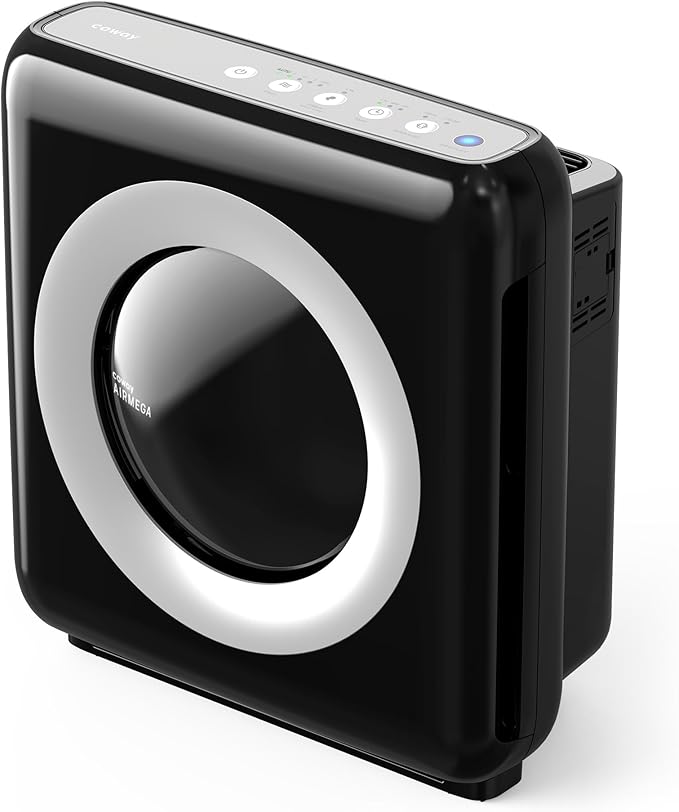
Best Overall: Coway Mighty AP-1512HH

Coway Mighty AP-1512HH air purifier — best eco-friendly air purifier for medium rooms
Coway Mighty AP-1512HH — Energy Star certified with a built-in Eco Mode

The Coway Mighty has been a perennial top pick in air purifier reviews for good reason — and it earns its eco-friendly credentials through genuine engineering rather than marketing fluff.

It uses a four-stage filtration system: a washable pre-filter, an activated carbon deodorizing filter, a True HEPA filter, and Vital Ion technology. The CADR (Clean Air Delivery Rate) is 233, making it effective for rooms up to around 360 square feet.

The standout eco feature is its Eco Mode, which automatically shuts off the fan when the air quality sensor detects clean air. That means it’s only working as hard as it needs to — cutting electricity use without any input from you.

It’s Energy Star certified, the pre-filter is washable (reducing waste), and the HEPA filter typically lasts 12 months. At around $100, it’s also one of the most accessible quality air purifiers on the market.

Check Price

Best for Medium Rooms: Blueair Blue Pure 311i Max

Blueair Blue Pure air purifier — HEPASilent technology for energy-efficient air cleaning
Blueair Blue Pure — Energy Star Most Efficient certified with a washable fabric pre-filter

Blueair’s HEPASilent technology is worth knowing about. It combines mechanical filtration (like traditional HEPA) with electrostatic filtration — using both methods together means the unit can achieve high particle capture rates while running the fan at lower, quieter speeds.

The result is an air purifier that pulls just 32 watts on high while cleaning rooms up to 387 square feet every 12.5 minutes. It’s earned the Energy Star Most Efficient designation, which is a step above standard Energy Star.

The Blue Pure line includes a washable fabric pre-filter that comes in several colors — it catches larger particles before they reach the HEPA layer, meaning the main filter lasts longer and needs replacing less often.

The 311i Max connects to the Blueair app, which lets you monitor air quality in real time, set schedules, and control fan speeds from your phone. Quieter and more efficient than most competitors at its price point, this is a great pick for bedrooms or home offices.

Check Price

Best Smart Pick: Levoit Core 400S

Levoit Core 400S smart air purifier with HEPA filtration and app control
Levoit Core 400S — 360-degree air intake with smart auto mode and laser particle sensor

Levoit has become one of the most popular air purifier brands in recent years, and the Core 400S shows why.

Its 360-degree air intake design draws air in from all sides, which improves efficiency compared to single-direction intake models. The CADR of 260 covers rooms up to 403 square feet, and the built-in laser particle sensor continuously monitors PM2.5 levels (fine particulate matter) in real time.

The smart features make a real difference for eco-conscious use. Auto mode automatically adjusts fan speed based on current air quality, so the unit isn’t running full blast when it doesn’t need to.

The Core 400S works with the VeSync app and is compatible with Alexa and Google Assistant — handy for setting schedules that match your routine. Sleep mode runs at just 24 dB, barely audible in a quiet room.

Replacement filters (which combine the pre-filter, HEPA, and carbon layers in one unit) last around 6-8 months depending on usage and air quality. Levoit’s filter recycling program accepts used filters by mail — a nice touch that reduces landfill contribution.

Check Price

Tips to Maximize Your Air Purifier’s Eco-Impact

Keep doors and windows closed when the purifier is running so it’s cleaning a defined space rather than an open system.

Use auto mode whenever possible — it lets the unit’s sensor determine the appropriate power level, avoiding unnecessary energy use when air quality is already good.

Clean the pre-filter regularly — most washable pre-filters should be rinsed every 2-4 weeks. This dramatically extends the life of the main HEPA filter and reduces how often you need to buy replacements.

Size it right — an undersized unit will run on high constantly to keep up, using more power. An oversized unit in a small room is wasteful too. Match the CADR to your room size for optimal efficiency.

Pair with low-VOC products — switching to plant-based cleaners, natural candles, and low-VOC paints reduces the pollution load your purifier has to handle, letting it run at lower speeds more often.

The Bottom Line

Clean indoor air is one of those quality-of-life improvements that’s easy to overlook until you experience it firsthand — better sleep, fewer allergy symptoms, and a fresher-smelling home are the immediate payoffs.

Done right, an air purifier is a genuinely sustainable investment. Energy-efficient models like the Coway Mighty, Blueair Blue Pure 311i Max, and Levoit Core 400S clean the air without running your electricity bill up — or leaving a trail of filter waste behind them.

Focus on True HEPA filtration, Energy Star certification, a built-in auto or eco mode, and long-lasting filters. Those four criteria will steer you toward a purifier that’s as easy on the environment as it is on your lungs.

Best Reusable Coffee Filters of 2026: Eco-Friendly Brews That Cut Waste (and Save Money)

Person pouring water over a pour-over coffee filter for eco-friendly brewing

Every morning, millions of people toss a paper coffee filter in the trash without a second thought. A single household can go through 365 or more paper filters a year — and most end up in landfill, even if they’re technically compostable. The good news? Switching to a reusable coffee filter is one of the easiest, most affordable swaps you can make for a greener home.

And here’s the bonus: many coffee lovers say reusable filters actually brew a better cup.

Note: This post contains product recommendations based on independent research. We aim to highlight the best eco-friendly options available.

Why Switch to a Reusable Coffee Filter?

Paper coffee filters seem harmless, but the numbers add up fast. The average American drinks about 3 cups of coffee a day — that’s over 1,000 paper filters per year, per person.

Even “unbleached” or “compostable” paper filters require trees, water, and energy to produce and transport. A reusable filter, by contrast, can last anywhere from a few years (for cloth) to a lifetime (for stainless steel).

There are also flavor benefits. Paper filters absorb coffee oils — the compounds responsible for much of the aroma and body in your cup. Stainless steel and cloth filters let those oils pass through, resulting in a richer, more nuanced brew.

Types of Reusable Coffee Filters

There are three main materials to choose from, each with its own strengths:

Stainless Steel: The most durable option. Lasts a lifetime with proper care, dishwasher-safe, and lets full-bodied oils through. Great for bold, flavorful coffee.

Organic Cotton / Cloth: Offers a middle ground between paper and metal. Lets some oils through while filtering more sediment. Produces a clean, smooth cup. Needs more careful washing and drying to prevent mildew.

Hemp: Naturally mold-resistant and incredibly durable. Similar brew profile to cotton but even more sustainable — hemp requires minimal water and no pesticides to grow.

Best Stainless Steel Pour-Over Filter: Reusable Cone Drip Filter

Stainless steel cone pour-over reusable coffee filter

A high-quality stainless steel pour-over cone filter is the go-to choice for daily brewers who want zero-maintenance sustainability. The ultra-fine mesh captures grounds while allowing coffee’s natural oils and aromatic compounds to flow freely into your cup.

Look for filters made from food-grade 18/8 stainless steel — these won’t rust, won’t impart metallic flavors, and hold up to daily use for years. They’re compatible with most standard pour-over brewers and drip coffee makers.

The result is a full-bodied, café-quality brew — and you’ll never need to buy paper filters again.

Check Price

Best Organic Cotton Filter: CoffeeSock

CoffeeSock organic cotton reusable coffee filter

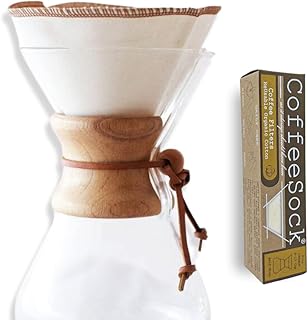
CoffeeSock is one of the original reusable coffee filter brands, and it’s still one of the best. Made from 100% certified organic cotton grown in Texas, these filters are GOTS-certified and produced with non-toxic, natural dyes.

The cloth filter produces a cup that’s noticeably cleaner and brighter than stainless steel — less sediment, more clarity — while still allowing some of those desirable coffee oils through. Coffee aficionados often describe the taste as “silky” and well-balanced.

With proper care (rinse after each use, hang dry), CoffeeSock filters last 6–12 months. The company offers a take-back program when they wear out. Available in versions for Chemex, AeroPress, and standard drip machines.

Check Price

Best Premium Option for Chemex: Able KONE

Able KONE reusable stainless steel coffee filter compatible with Chemex

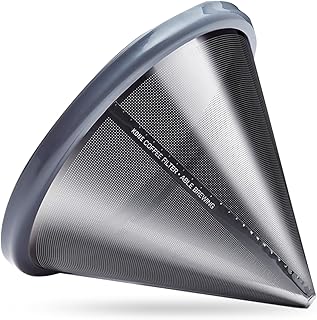
The Able KONE is the gold standard for Chemex users who want a permanent filter upgrade. Handcrafted from surgical-grade stainless steel with laser-cut holes and hand-polished finish, it’s as much a piece of kitchen art as it is a coffee tool.
The KONE’s precision engineering means consistent extraction every time — no collapsing sides, no overflow, just a clean, even brew. The laser-cut holes are calibrated to balance flow rate and oil extraction for an exceptionally complex cup.

It’s also made to last a lifetime. Able offers a repair program, and many KONE owners have been using the same filter for 10+ years. At around $60, it pays for itself within the first few months compared to buying paper Chemex filters regularly.

Check Price

How to Choose the Right Reusable Coffee Filter

The best filter depends on your brewer, your taste preferences, and how much maintenance you’re willing to do:

If you want zero effort, go stainless steel — rinse it out, toss it in the dishwasher, done.

If you want the cleanest, smoothest cup and don’t mind a bit of extra care, organic cotton is your match.

If you use a Chemex and care about both quality and sustainability, the Able KONE is worth every penny.

For cold brew or large-batch brewing, look for a cotton or hemp sock-style filter — they’re designed for steeping and produce a naturally sweet, low-acid concentrate.

How to Care for Your Reusable Filter

Proper care extends the life of your filter significantly:

Stainless steel: Rinse under running water after each use. Scrub gently with a bottle brush weekly. Soak in a diluted white vinegar solution monthly to remove mineral buildup.

Cotton/cloth: Rinse immediately after brewing (don’t let grounds dry inside). Hang to dry completely — never store damp, or mildew can form. Boil in clean water monthly to deep-clean and refresh.

Avoid dish soap for cloth filters — it leaves residue that can make your next cup taste soapy. Plain hot water is all you need.

The Eco Numbers: How Much Waste Do You Actually Save?

If you brew once a day, switching to a reusable filter eliminates roughly 365 paper filters per year from landfill — or about 1.5–2 lbs of paper waste annually.

Scale that to a household of two coffee drinkers and you’re saving 700+ filters a year. Multiply that across the millions of households that could make this swap, and the impact is enormous.

Beyond waste, reusable filters also eliminate the packaging, shipping, and manufacturing emissions associated with continuous filter purchases. A single stainless steel filter can serve you for a decade or more — that’s potentially 3,650+ paper filters never produced.

Final Thoughts

Switching to a reusable coffee filter is one of the simplest, highest-impact swaps in a sustainable kitchen routine. It costs less in the long run, often makes your coffee taste better, and eliminates thousands of single-use products over a lifetime.

Whether you go stainless steel for durability, organic cotton for a cleaner cup, or a premium option like the Able KONE for your Chemex — any of these filters will serve you well for years to come.

Start with one. You won’t look back.

Best Kitchen Compost Bins of 2026: Easy Countertop Composting for Every Home

Eco-friendly kitchen compost bin with vegetable food scraps on countertop

Composting is one of the most impactful habits you can adopt for a greener home — it diverts food scraps from landfills, reduces methane emissions, and creates nutrient-rich soil for your garden.

But not everyone has a backyard bin. That’s where kitchen countertop composters come in: compact, odor-controlling containers (and even smart electric appliances) that make composting simple for apartment dwellers and suburban homeowners alike.

Disclosure: This post may contain affiliate links. As an Amazon Associate, we earn from qualifying purchases at no extra cost to you.

Whether you want a simple scrap collector to fill and empty weekly or an electric composter that churns food waste into usable fertilizer overnight, there’s a kitchen compost bin for every lifestyle and budget.

We rounded up the best countertop and indoor composters of 2026 — tested for odor control, capacity, ease of cleaning, and eco-friendliness — so you can start composting right from your kitchen counter.

Why Composting at Home Matters

Food waste is one of the largest contributors to greenhouse gas emissions worldwide.

When organic matter like fruit peels, coffee grounds, and vegetable scraps ends up in a landfill, it decomposes without oxygen and releases methane — a greenhouse gas over 80 times more potent than carbon dioxide over a 20-year period.

Composting at home keeps those scraps out of the landfill entirely.

Instead of releasing harmful gases, food waste breaks down into rich compost that feeds your garden, house plants, or community garden beds.

Even in a small apartment kitchen, a countertop compost bin is a low-effort, high-impact habit that adds up to real environmental change over time.

What to Look for in a Kitchen Compost Bin

Before you buy, consider how you’ll actually use the bin day-to-day.

Here are the key factors to keep in mind:

Odor control — Look for bins with tight-fitting lids, built-in carbon filters, or ventilation systems that prevent smells from escaping into your kitchen.

Capacity — Small bins (under 1 gallon) are fine for one or two people; larger households may want 1.5–2 gallon models to avoid emptying too frequently.

Material — Stainless steel is durable and easy to clean; bamboo fiber and plant-based composites are more eco-friendly; plastic is affordable but less sustainable.

Ease of cleaning — Removable inner buckets and dishwasher-safe parts make a big difference in daily use.

Electric vs. manual — Manual bins collect scraps until you transfer them to an outdoor pile or bin. Electric composters process waste on the countertop directly, producing fertilizer-ready output in hours.

Best Kitchen Compost Bins of 2026

1. Lomi 1 Electric Composter — Best Smart Countertop Composter

Lomi 1 electric composter on kitchen countertop

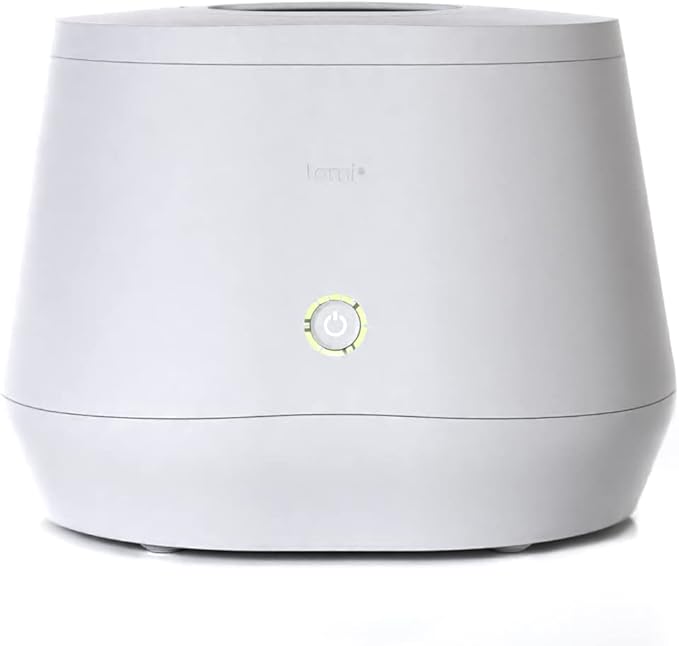
The Lomi 1 is in a category of its own among kitchen composters.

This electric countertop appliance uses heat, abrasion, and oxygen to break down food scraps — including meat, dairy, and cooked food — into dry, soil-like fertilizer in as little as 4 hours.

Most manual compost bins can’t handle meat or dairy, making Lomi a game-changer for households that produce a wider variety of food waste.

The 3-liter capacity handles a full day’s worth of kitchen scraps for a family of four, and the activated carbon filter keeps odors completely contained while it runs.

It’s a higher upfront investment, but if you want truly zero-waste food recycling without maintaining an outdoor pile, nothing else on the market competes.

Check Price on Amazon

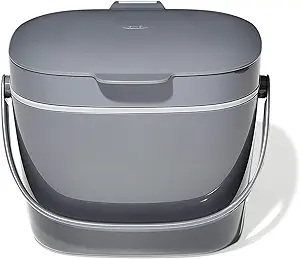
2. OXO Good Grips Easy-Clean Compost Bin — Best Simple Countertop Bin

OXO Good Grips Easy-Clean Compost Bin in charcoal, 1.75 gallon

For most people who already have an outdoor compost pile or curbside composting pickup, the OXO Good Grips Easy-Clean Compost Bin is the perfect kitchen companion.

It holds 1.75 gallons — enough for several days of scraps — and the stay-open lid makes it incredibly easy to toss in peels and scraps without fumbling with a latch.

The entire bin is dishwasher-safe, including the lid and inner bucket, which removes with a simple lift for easy cleaning and transferring.

The soft, easy-grip handle makes carrying it to the outdoor bin comfortable, and the sleek design fits naturally on any countertop without looking out of place.

There’s no filter system, so it’s best emptied every 2–3 days to keep odors in check — but for households with regular composting pickup, that’s rarely an issue.

Check Price on Amazon

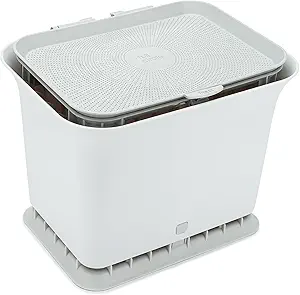
3. Full Circle Fresh Air Odor-Free Kitchen Compost Bin — Best for Odor Control

Full Circle Fresh Air odor-free kitchen compost bin in gray

The Full Circle Fresh Air bin takes a clever approach to the number-one concern about indoor composting: smell.

Instead of a sealed lid or charcoal filter, it uses a patented airflow design with ventilation built into the lid and base that circulates air around your scraps, actually slowing decomposition and dramatically reducing odors.

The 1.5-gallon capacity comes with a starter pack of compostable bags, which makes emptying the bin clean and easy — no scrubbing the inner liner.

It’s made from recycled plastic, comes in several color options, and has a rotating handle for one-handed lid operation while you’re cooking.

If odor is your biggest worry about composting indoors, the Fresh Air bin addresses it more elegantly than almost any other product at this price point.

Check Price on Amazon

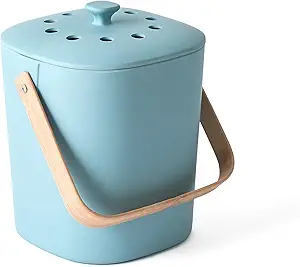
4. Bamboozle Countertop Compost Bin — Best Eco-Friendly Design

Bamboozle countertop compost bin made from bamboo fiber

If sustainability extends all the way to the bin itself, Bamboozle is the pick for you.

This compost bin is made from a blend of bamboo fiber and plant-based resin — a genuinely renewable, biodegradable material that gives it a warm, natural look that stands out from plastic alternatives.

The 1-gallon capacity is ideal for one or two people, and the included carbon filters help contain odors between emptying sessions.

It’s dishwasher-safe, lightweight, and the tapered design fits neatly on small countertops without taking up valuable prep space.

Replacement filters are available separately and last about 3 months each, making this a low-maintenance, low-plastic way to start composting immediately.

Check Price on Amazon

How to Use Your Kitchen Compost Bin (and What Goes In)

Getting started is simple: just keep the bin on your counter near the sink and add scraps throughout the day.

Most kitchen scraps are fair game for a standard countertop collector:

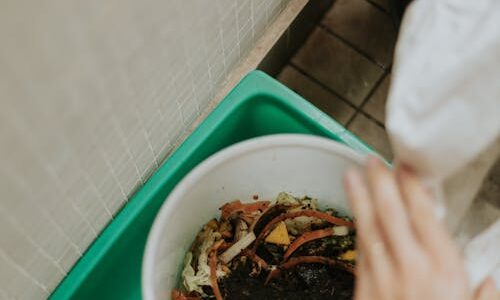
Compostable: Fruit and vegetable peels, coffee grounds and paper filters, tea bags (paper only), eggshells, bread and grains, and plain cooked rice or pasta.

Skip these in manual bins: Meat, fish, dairy, oily or heavily seasoned food, and cooked leftovers with sauces — these attract pests and odors in open piles. (Electric composters like Lomi handle these.)

Empty your countertop bin every 2–3 days into your outdoor compost pile, curbside green bin, or local compost drop-off point.

If you’re new to composting, many cities now offer free compost pickup as part of their waste management programs — check your municipality’s website to see what’s available near you.

Tips to Prevent Odors in Your Kitchen Compost Bin

Even a well-designed bin benefits from a few simple habits that keep smells at bay.

Line the bottom of the bin with a paper towel or a compostable bag to absorb excess moisture, which is the main driver of odor.

Rinse the bin out with hot water and a drop of dish soap each time you empty it — a quick 30-second wash goes a long way.

Replace carbon filters as recommended (typically every 2–3 months), or sprinkle a thin layer of baking soda in the bottom of the bin to neutralize odors naturally.

In warm weather, empty the bin more frequently, as higher temperatures speed up decomposition and odor production.

The Bottom Line

Starting a composting habit is one of the easiest, most impactful things you can do for the environment — and a good kitchen compost bin makes the habit effortless.

For most households, the OXO Good Grips Easy-Clean Compost Bin hits the sweet spot of simplicity, capacity, and ease of cleaning.

If odors are your main concern, the Full Circle Fresh Air bin’s ventilation design is the smartest solution on the market.

For the most eco-conscious shoppers, the Bamboozle bin’s bamboo fiber construction makes it a genuinely sustainable choice from material to bin.

And for those who want to compost meat, dairy, and everything else without an outdoor pile, the Lomi 1 is nothing short of a kitchen revolution.

Whichever bin you choose, the act of composting is a win for your home, your garden, and the planet.

Best Non-Toxic Soy Candles of 2026: Clean-Burning, Eco-Friendly Home Fragrance

Eco-friendly natural soy candles burning with soft warm light for clean home fragrance

Most candles filling store shelves are made from paraffin wax — a petroleum byproduct that releases soot, benzene, and other harmful chemicals when burned.

If you’ve ever wondered why your home feels stuffy after burning a candle, your candle might be the culprit.

Switching to natural soy, coconut wax, or beeswax candles is one of the simplest upgrades you can make for cleaner indoor air and a smaller carbon footprint.

Disclosure: This post may contain affiliate links. As an Amazon Associate, we earn from qualifying purchases at no extra cost to you.

Why Paraffin Candles Are Problematic

Paraffin wax is derived from crude oil refining — not exactly what you want burning in your living room.

When paraffin burns, it can release toluene, benzene, and other volatile organic compounds (VOCs) that are linked to respiratory issues and are classified as potential carcinogens.

Many conventional candles also use synthetic fragrances containing phthalates, chemical stabilizers that can disrupt hormones and irritate airways.

The good news? Natural alternatives perform just as well — and often better.

What Makes a Candle Truly Eco-Friendly?

Not all “natural” candles are created equal. Here’s what to look for when shopping for a genuinely clean option.

Wax type: Soy wax is renewable, biodegradable, and burns cooler and longer than paraffin. Coconut wax is even cleaner-burning and produces a beautiful, smooth finish. Beeswax burns the longest and actually purifies the air as it burns.

Wick material: Look for 100% cotton or wood wicks. Avoid any candle that doesn’t specify wick material — older candles sometimes used lead-core wicks, which are genuinely dangerous.

Fragrance: Phthalate-free fragrance oils or pure essential oils are the safest choices. “Fragrance” alone on the label can mean hundreds of undisclosed chemicals.

Packaging: Recyclable glass jars, cardboard boxes, or compostable materials are a plus. Bonus points if the brand uses minimal or plastic-free packaging.

Best Non-Toxic Soy Candles of 2026

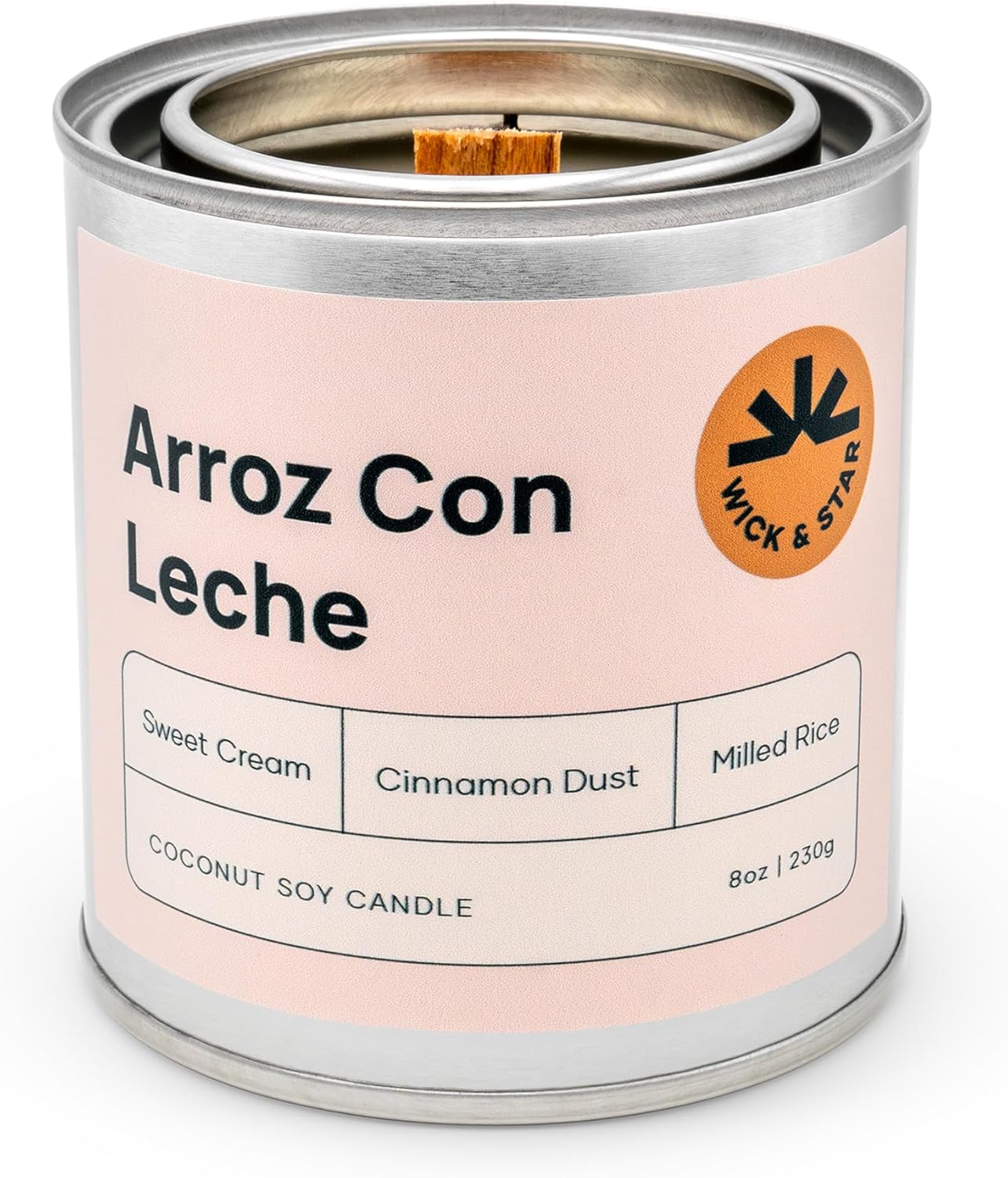
1. Wick & Star Vegan Coconut Soy Wood Wick Candle

Wick & Star Vegan Non-Toxic Coconut Soy Wood Wick Candle

Hand-poured in a small California studio, the Wick & Star candle is one of the most thoughtfully crafted non-toxic options on the market.

It uses a coconut-soy wax blend with a real wood wick that produces a satisfying, soft crackling sound — like a tiny fireplace.

The formula is 100% vegan, phthalate-free, and paraben-free. Each candle delivers over 40 hours of burn time and is scented with carefully selected fragrance oils free of harmful additives.

The packaging is minimal and eco-conscious, making this a great choice for anyone who wants both a luxurious experience and a clean conscience.

Check Price on Amazon

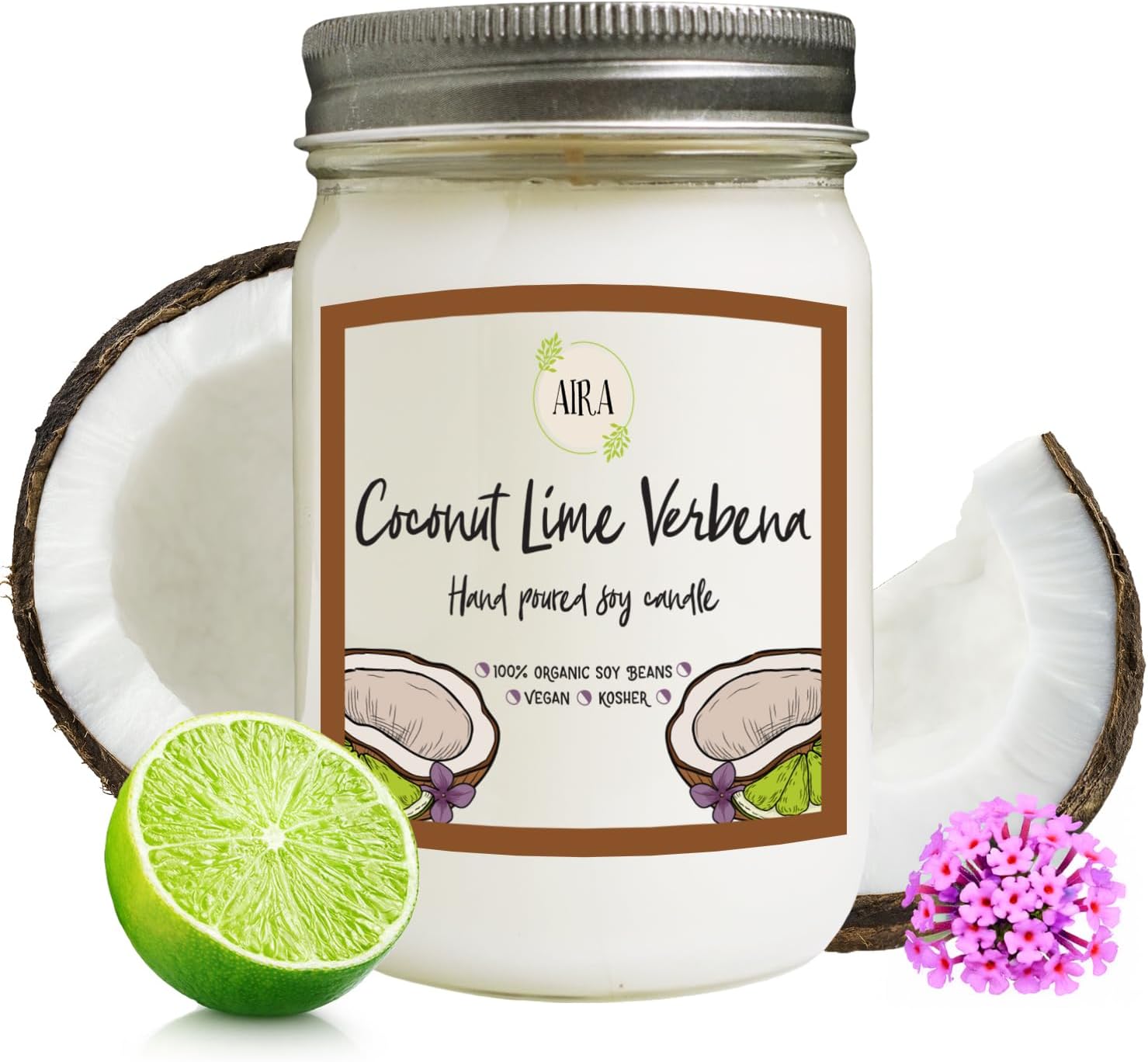
2. Aira Soy Candles — Organic, Kosher & Vegan

Aira Organic Soy Candle Coconut Lime Verbena Mason Jar

Aira makes some of the most certified-clean candles available on Amazon — they’re organic, kosher, vegan, and hand-poured in the USA.

These 16 oz mason jar candles are made from 100% pure soy wax blended with therapeutic-grade essential oils, with no paraffin, synthetic dyes, or artificial fragrances.

With a burn time of 110+ hours, they’re also exceptional value. The wide-mouth mason jar is reusable as a drinking glass or storage container once the candle burns down — zero waste all the way.

Aira is a particularly good choice for households with children, pets, or anyone with chemical sensitivities.

Check Price on Amazon

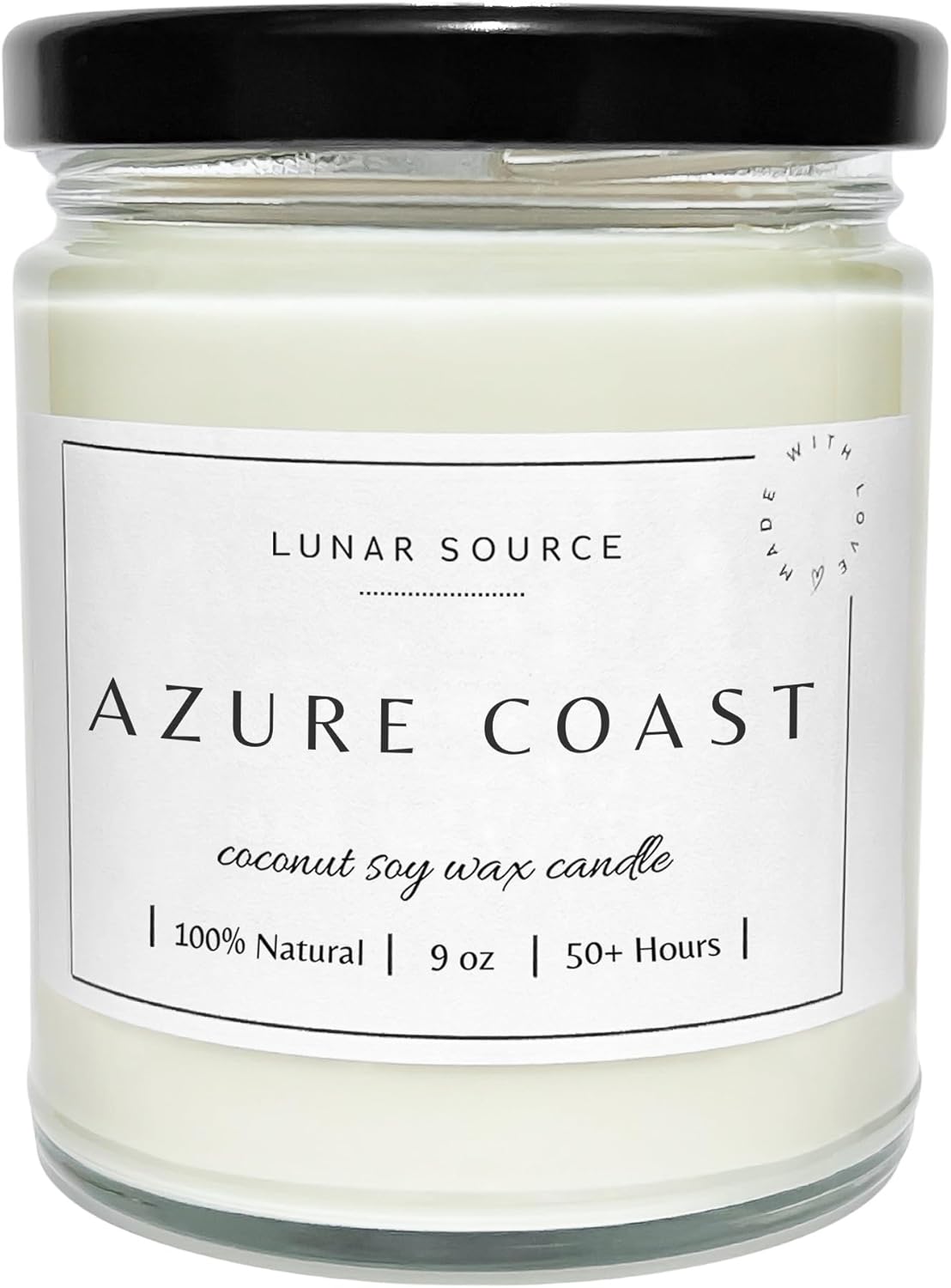
3. Azure Coast Luxury Coconut Soy Wax Candle

Azure Coast Luxury Coconut Soy Wax Blend Non-Toxic Vegan Candle

For those who want a more upscale aesthetic, the Azure Coast candle delivers luxury without compromise.

The coconut-soy blend wax burns incredibly clean, and the 100% cotton wick ensures zero metal or toxin exposure.

At 9 oz, it’s a beautiful size for a nightstand, bathroom, or as a housewarming gift. The scent profile is tropical and sophisticated, and the candle comes in elegant packaging that requires no gift wrapping.

It’s also completely vegan and free from parabens, sulfates, and synthetic dyes — a genuinely clean luxury pick.

Check Price on Amazon

How to Get the Most Out of Your Natural Candle

Even the best eco-friendly candle won’t perform well if it’s not used properly. A few simple habits make a big difference.

Trim the wick to ¼ inch before every burn. This prevents excessive soot, flickering, and uneven burning — and it significantly extends the life of your candle.

Allow a full melt pool on the first burn. The first time you light a soy candle, let it burn until the entire surface is liquid from edge to edge. This prevents tunneling, where wax builds up on the sides and the candle burns straight down the middle.

Don’t burn for more than 4 hours at a time. Overburning can overheat the jar and degrade the fragrance. Let the candle cool completely before relighting.

Store in a cool, dark place. Soy and coconut wax can soften in heat and fade in sunlight. Keep candles stored properly to preserve scent throw and appearance.

Soy vs. Coconut vs. Beeswax: Which Is Best?

Each natural wax has its strengths, and the “best” option really comes down to your priorities.

Soy wax is the most affordable and widely available. It’s derived from soybeans, holds fragrance well, and burns cleanly. Some soy is GMO-grown, so look for non-GMO or organic-certified options if that matters to you.

Coconut wax is considered the premium option. It’s sustainably harvested, burns the cleanest of all natural waxes, and has an excellent scent throw. It’s also slightly more expensive.

Beeswax is the most natural option and actually releases negative ions when burned, which can help neutralize pollutants in the air. However, it’s not vegan, and high-quality beeswax candles can be pricey.

A coconut-soy blend — like the Wick & Star and Azure Coast options above — gives you the best of both worlds: clean burning and great scent at a reasonable price.

The Bottom Line

Making the switch to non-toxic, natural soy or coconut wax candles is a small change with real benefits for your health and your home environment.

You don’t have to spend a fortune to get a clean-burning candle. The Aira Soy Candles offer outstanding value at over 110 hours of burn time, while the Wick & Star and Azure Coast candles bring a more premium experience without harmful chemicals.

Whichever you choose, you’ll be breathing easier — literally — and supporting brands that care about what goes into their products.

Best Eco-Friendly Compost Bins for 2026: Turn Food Waste Into Garden Gold

Composting is one of the most impactful habits you can adopt for a greener home. Instead of sending food scraps and yard waste to the landfill, a good compost bin transforms them into rich, nutrient-dense soil that supercharges your garden.

Disclosure: This post may contain affiliate links. As an Amazon Associate, we earn from qualifying purchases at no extra cost to you.

Whether you live in a tiny apartment or have acres of backyard, there’s an eco-friendly composting solution that fits your lifestyle. We’ve rounded up the best compost bins of 2026 to help you get started — or upgrade your current setup.

Why Composting Is One of the Greenest Things You Can Do

Food waste is a massive contributor to greenhouse gas emissions. When organic matter rots in a landfill, it releases methane — a gas roughly 80 times more potent than CO₂ over a 20-year period.

Composting diverts that waste from landfills and locks the carbon into the soil instead. The result? Less pollution, richer earth, and a smaller footprint — all from something as simple as saving your vegetable scraps.

What to Look for in an Eco-Friendly Compost Bin

Not all compost bins are created equal. Here are the key factors to consider before buying:

Material: Look for bins made from recycled plastics, stainless steel, or sustainably sourced materials. Avoid virgin plastic when possible.

Capacity: Match the bin size to your household output. A single person may only need a small countertop bin, while a family of four will benefit from a larger tumbler or outdoor unit.

Odor control: Good seals and carbon filters keep smells at bay, especially important for indoor bins.

Ease of use: The best bin is the one you’ll actually use. Look for easy loading, turning mechanisms, and simple emptying.

Best Overall: FCMP Outdoor IM4000 Dual Chamber Tumbling Composter

The FCMP Outdoor IM4000 is consistently rated one of the best outdoor compost bins on the market — and for good reason. It’s made from 100% post-consumer recycled resin, so it’s eco-friendly before you even put a single vegetable peel inside.

The dual-chamber design is a game-changer. You fill one side while the other side finishes composting, creating a continuous supply of finished compost. Just give it a spin every couple of days and you’ll have rich compost in as little as two to three weeks.

With a combined 37-gallon capacity and a sturdy elevated frame that keeps pests out, this is the top pick for anyone with outdoor space who wants a serious composting setup.

Check Price on Amazon

Best for Small Kitchens: EPICA Stainless Steel Countertop Compost Bin

Living in an apartment or just want a sleek, odor-free way to collect food scraps before taking them to an outdoor bin? The EPICA Stainless Steel Compost Bin is exactly what you need.

At 1.3 gallons, it sits neatly on your countertop without taking up much space. The real star is the activated charcoal filter built into the lid — it traps odors so effectively that you genuinely cannot smell what’s inside, even after several days.

The stainless steel construction is rust-resistant, BPA-free, and easy to clean. It’s also genuinely beautiful — far nicer than a plastic bin tucked under the sink. This is the best kitchen compost bin you can buy right now.

Check Price on Amazon

Best for Serious Composters: Worm Factory 360

Vermicomposting — composting with worms — produces the richest, most nutrient-dense compost you can make at home. The Worm Factory 360 is the gold standard for worm bins, and it works beautifully both indoors and outdoors.

The four-tray stackable system lets you add layers as the worms work their way up, keeping the process neat and odor-free. It even collects liquid “worm tea” at the bottom — a potent natural fertilizer you can dilute and pour directly onto your plants.

It’s compact enough to fit under a kitchen counter and processes up to two pounds of food waste per day. If you’re serious about zero-waste living, a worm bin is an absolute must.

Check Price on Amazon

Tips for Getting the Most Out of Your Compost Bin

Balance greens and browns: “Greens” are nitrogen-rich materials like food scraps and grass clippings. “Browns” are carbon-rich materials like cardboard, dry leaves, and paper. Aim for roughly a 3:1 ratio of browns to greens by volume.

Keep it moist, not wet: Your compost should feel like a wrung-out sponge. Too dry and decomposition slows. Too wet and it gets smelly and anaerobic.

Turn it regularly: Aerating your compost by turning it introduces oxygen, which speeds up the decomposition process dramatically.

Avoid these items: Meat, dairy, oily foods, and pet waste can attract pests and create bad odors. Stick to fruit and vegetable scraps, coffee grounds, eggshells, and plant-based materials.

Composting Is a Gift to Your Garden and the Planet

A bag of synthetic fertilizer might seem convenient, but it comes with a heavy environmental cost — energy-intensive production, chemical runoff, and soil degradation over time.

Homemade compost does the opposite. It rebuilds soil structure, increases microbial diversity, retains moisture, and reduces the need for watering. Your plants will thank you, your water bill will shrink, and you’ll send significantly less waste to the landfill.

Any of the bins on this list will get you started on a meaningful composting journey. Whether you choose the heavy-duty FCMP tumbler, the elegant EPICA countertop bin, or the rewarding Worm Factory 360, you’ll be making a real difference with every batch of compost you create.

Best Bamboo Kitchen Utensil Sets of 2026: Eco-Friendly Cooking Tools That Actually Last

BAMBONI bamboo kitchen utensil set with tongs eco-friendly cooking tools

Your kitchen is one of the easiest places to make meaningful eco-friendly upgrades — and swapping out plastic or synthetic cooking tools for bamboo utensils is one of the simplest swaps you can make.

Disclosure: This post may contain affiliate links. As an Amazon Associate, we earn from qualifying purchases at no extra cost to you.

Bamboo grows incredibly fast — some species grow up to three feet per day — making it one of the most renewable materials on the planet. Unlike plastic, bamboo utensils won’t leach harmful chemicals into your food, won’t scratch your non-stick cookware, and they biodegrade at the end of their long life.

We’ve rounded up the best bamboo kitchen utensil sets of 2026, so you can cook beautifully while treading lightly on the earth.

Why Switch to Bamboo Kitchen Utensils?

Plastic spatulas and spoons might seem harmless, but studies have shown that plastic cooking tools can release microplastics into food when exposed to heat.

Bamboo is naturally antibacterial, heat-resistant, and gentle on cookware surfaces. A quality bamboo set can last for years with simple care — rinse with warm soapy water and let it air dry.

Best of all, at the end of their life, bamboo utensils can be composted, unlike their plastic counterparts which end up in landfills for centuries.

What to Look for in a Bamboo Utensil Set

Not all bamboo utensils are created equal. Here’s what separates a great set from a mediocre one:

Uncoated or food-safe finish: Look for sets made with uncoated bamboo or finished with food-safe oils — no varnish or lacquer that can flake into food.

Moso bamboo: Moso bamboo is the gold standard — it’s denser and more durable than other bamboo varieties.

Variety of tools: A good set should include at least a spatula, slotted spoon, stirring spoon, and tongs or a ladle to cover most cooking tasks.

Smooth sanding: The best sets are sanded smooth with no rough edges or splinters, which could scratch non-stick pans or become uncomfortable to hold.

Best Bamboo Kitchen Utensil Sets of 2026

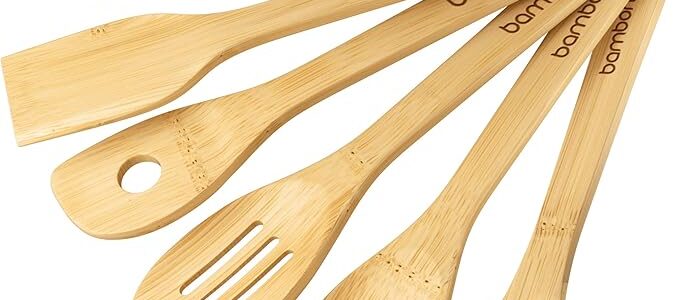
1. BAMBONI Bamboo Utensils Set (6-Piece with Tongs)

BAMBONI bamboo kitchen utensil set with tongs eco-friendly cooking tools

BAMBONI is one of our top picks for good reason — this 6-piece set is made from rapidly renewable, high-quality Moso bamboo with a beautifully smooth, uncoated finish.

The set includes a spatula, slotted spoon, solid spoon, spork, salad fork, and tongs, giving you everything you need for daily cooking. The utensils are heat-resistant up to high temperatures, making them safe for stirring soups, sautéing vegetables, and serving.

Customers love that the surface stays smooth even after months of use, and the naturally antibacterial bamboo means you don’t need to worry about bacteria building up in tiny scratches the way you would with plastic.

Check Price on Amazon

2. Neet Organic Bamboo Utensil Set with Holder (6-Piece)

Neet organic bamboo wooden spoons and utensil set with holder

The Neet Bamboo set is a perennial bestseller for a reason: it comes with a handy utensil holder so you can keep your kitchen counter organized right out of the box.

This 6-piece set includes a spatula, slotted spatula, spoon, ladle, fork, and a matching bamboo holder — all made from 100% organic Moso bamboo. The set is designed specifically for use in high-heat cooking and is safe with non-stick pots and pans.

The holder keeps everything within easy reach while looking elegant on your countertop. It makes an excellent gift for anyone looking to green up their kitchen.

Check Price on Amazon

3. Top Notch Premium Bamboo Kitchen Utensils Set (5-Piece)

Top Notch kitchenware premium bamboo kitchen utensils 5-piece set

The Top Notch kitchenware set is a solid 5-piece option perfect for anyone just starting their bamboo kitchen journey.

This set includes everything you need for baking and everyday cooking, and the utensils are made from premium bamboo that’s been carefully shaped and sanded. The natural grain of the wood gives each piece a unique, beautiful look.

Users frequently highlight the quality of the finish and how comfortable these feel in hand — the weight and balance are just right for stirring thick batters or flipping delicate pancakes.

Check Price on Amazon

4. Kozy Kitchen Handmade Organic Bamboo Utensils (Set of 6)

If you want something with a handcrafted feel, the Kozy Kitchen set delivers beautifully. These are handmade tools, so each set has slight natural variations that give them an artisanal quality.

The set includes 6 essential cooking tools made from 100% organic bamboo. The slightly thicker handles give great grip and leverage, which is especially useful when stirring dense stews or folding dough.

At its price point, this set punches above its weight on both quality and durability. Multiple reviewers report using their Kozy Kitchen sets daily for 2+ years with no cracking or warping.

Check Price on Amazon

How to Care for Your Bamboo Utensils

Bamboo utensils are easy to care for, but a few simple habits will dramatically extend their life:

Hand wash only. Avoid the dishwasher — the high heat and prolonged moisture will cause bamboo to warp and crack over time.

Dry immediately. After washing, don’t let bamboo utensils soak or sit in a pool of water. Pat them dry and let them air dry completely before storing.

Oil occasionally. Every few months, rub your bamboo utensils with a small amount of food-grade mineral oil or coconut oil to keep them conditioned and prevent drying out.

No bleach or harsh chemicals. Stick to mild dish soap. Bleach and harsh cleaners will strip the natural oils and damage the bamboo fibers.

Are Bamboo Utensils Better Than Silicone?

Both bamboo and silicone are popular eco-friendlier alternatives to plastic, but they have different strengths.

Bamboo is completely natural and biodegradable at end-of-life. Silicone, while durable and food-safe, is synthetic and doesn’t biodegrade. However, silicone is more flexible and some cooks prefer it for delicate tasks like scraping bowls.

Our recommendation? A bamboo set for everyday cooking (stirring, sautéing, serving), with a silicone spatula or two for tasks where flexibility is key, like baking or scraping bowls clean.

Make Your Kitchen a Greener Place

Switching to bamboo utensils is one of those rare upgrades that’s better for the environment, better for your health, and better for your cookware — all at once.

Any of the sets above will serve you well for years. Start with a quality 6-piece set, care for it properly, and you’ll likely never need to buy another set of cooking utensils again.

Small swaps, made consistently, add up to a meaningful difference. Your kitchen — and the planet — will thank you.

Best Beeswax Food Wraps in 2026: Ditch Plastic Wrap for Good

Bee's Wrap beeswax food wrap 3-pack assorted sizes plastic-free reusable

If there’s one simple kitchen swap that makes a huge difference for the planet, it’s replacing plastic cling wrap with beeswax food wraps.

A single roll of plastic wrap might seem harmless, but the average household goes through dozens of rolls per year — and every sheet ends up in a landfill, where it doesn’t break down for hundreds of years.

Disclosure: This post may contain affiliate links. As an Amazon Associate, we earn from qualifying purchases at no extra cost to you.

Beeswax wraps are the elegant, planet-friendly alternative that keeps food fresh, reduces waste, and looks good doing it. In this guide, we’ve rounded up the best beeswax food wraps of 2026 — so you can make the switch with confidence.

What Are Beeswax Food Wraps?

Beeswax wraps are reusable sheets of cotton cloth infused with beeswax, tree resin, and plant oil.

The warmth from your hands softens the wrap, allowing it to mold around bowls, fruits, cheese, bread, and more. When it cools, it holds its shape — creating an airtight seal without a single piece of plastic.

Most beeswax wraps last for up to a year of regular use, and when they finally wear out, they’re fully compostable.

Why Make the Switch in 2026?

Plastic wrap is one of the most wasteful single-use products in modern kitchens. It’s non-recyclable, contributes to microplastic pollution, and is completely unnecessary when alternatives like beeswax wraps exist.

Beyond the environmental case, beeswax wraps actually breathe — meaning they keep produce fresher longer than airtight plastic ever could.

They’re also cost-effective: one beeswax wrap replaces hundreds of sheets of cling wrap over its lifetime.

Our Top Picks: Best Beeswax Food Wraps of 2026

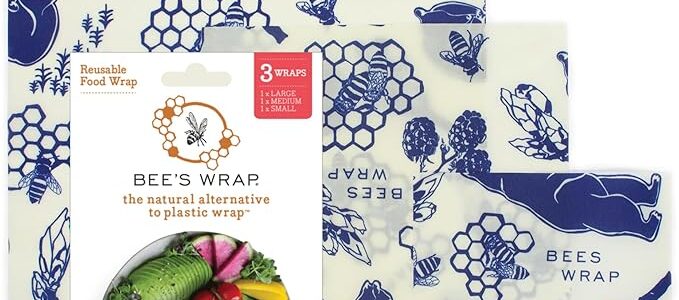
1. Bee’s Wrap 3 Pack Assorted Beeswax Wraps

Bee’s Wrap is the gold standard of reusable food wraps — made in Vermont, USA using GOTS-certified organic cotton, beeswax, organic coconut oil, and tree resin.

This 3-pack includes small, medium, and large sizes, making it perfect for wrapping everything from half an avocado to a hunk of sourdough bread.

The adorable Bees and Bears print makes it a conversation starter, and the B-Corp certified company donates a portion of profits to environmental causes.

  • Made with certified organic cotton and sustainably sourced beeswax
  • Lasts up to a year with proper care
  • Compostable at end of life
  • Comes in S, M, and L sizes

Bee's Wrap beeswax food wrap 3-pack assorted sizes plastic-free reusable

Check Price on Amazon

2. Abeego Original Beeswax Food Storage Wrap Variety Pack

Abeego original beeswax food storage wrap natural reusable

Abeego invented the modern beeswax food wrap back in 2008, and their wraps remain among the best available today.

The variety set includes three sizes (7 inch, 10 inch, and 13 inch) designed to wrap different types of food — from a cut lemon to a full head of broccoli.

What sets Abeego apart is their breathable design philosophy. Unlike plastic wrap, which suffocates food, Abeego wraps allow air and moisture to circulate naturally — mimicking the way food stores best in nature.

  • The original beeswax food wrap (since 2008)
  • Breathable design keeps produce fresher longer
  • Three sizes: 7 inch, 10 inch, and 13 inch
  • Made with beeswax, organic jojoba oil, and pine resin

Check Price on Amazon

3. Bee’s Wrap 7-Piece Variety Pack

If you’re ready to go all-in and replace plastic wrap across your entire kitchen, this 7-piece variety pack from Bee’s Wrap is the way to do it.

The set includes 2 small, 2 medium, 2 large, and 1 bread-sized wrap — enough to cover every food storage need from snacks to full loaves of bread.

It also makes a fantastic eco-friendly gift for the sustainably-minded food lover in your life.

  • 7 wraps: 2S, 2M, 2L, 1 bread wrap
  • Best value for full kitchen coverage
  • Made in the USA with organic ingredients
  • Great as an eco-friendly gift

Bee's Wrap 7-piece variety pack beeswax reusable food wraps

Check Price on Amazon

How to Use Beeswax Wraps

Using beeswax wraps is incredibly simple — the only thing to keep in mind is that heat helps you shape them, and cool air sets the seal.

Here is a quick rundown:

  • Wrapping produce: Place your food on the wrap, cup the wrap around it, and hold for 5 to 10 seconds. Your body heat will soften the wax and let it mold into place.
  • Covering bowls: Press the wrap over the rim of the bowl and hold — it’ll stick just like plastic wrap, but without the waste.
  • Wrapping sandwiches: Fold the wrap around your sandwich like a gift. No tape or clips needed.

To clean, simply rinse with cool water and mild soap. Never use hot water — it will melt the wax.

What You Should Not Wrap in Beeswax

Beeswax wraps are incredibly versatile, but there are a few things to avoid:

  • Raw meat: Raw meat can harbor bacteria that is difficult to remove from the cloth. Use reusable silicone bags or containers for raw proteins instead.
  • Hot foods: Do not use beeswax wraps directly on hot food — the heat can melt the coating. Let food cool first.
  • Dishwasher or microwave: Hand wash only, and keep out of any heat source.

How Long Do Beeswax Wraps Last?

With proper care, most beeswax wraps last about 6 to 12 months of regular use.

You will know it is time to retire a wrap when it becomes stiff, cracked, or stops holding its shape. At that point, toss it in the compost bin — it will break down naturally within a few months.

Some brands, including Bee’s Wrap, also sell beeswax refresher blocks so you can re-wax your wraps and extend their life even further.

Final Thoughts

Switching to beeswax food wraps is one of the easiest, most impactful changes you can make in your kitchen. It costs less than a few months’ worth of plastic wrap, dramatically reduces your household waste, and keeps food fresher in the process.

Whether you start with a simple 3-pack or go all-in with a full variety set, you will wonder why you ever bothered with plastic wrap in the first place.

Ready to make the switch? Any of the options above will serve you well — start with Bee’s Wrap or Abeego and see how easy going plastic-free can be.

Best Eco-Friendly Dish Soap Bars of 2026: Ditch the Plastic Bottle for Good

Eco-friendly kitchen cleaning set with natural dish soap bar - sustainable dishwashing

Every time you finish a bottle of liquid dish soap, another piece of plastic heads to the landfill — or worse, the ocean. The average household goes through 3–5 bottles of dish soap a year, and most of that plastic isn’t recycled.

The good news? Solid dish soap bars are a simple, affordable swap that eliminates the bottle entirely.

Disclosure: This post may contain affiliate links. As an Amazon Associate, we earn from qualifying purchases at no extra cost to you.

Dish soap bars lather well, cut through grease effectively, and last just as long — or longer — than their bottled counterparts. In this guide, we’ve rounded up the best options available in 2026 so you can make the switch with confidence.

Why Switch to a Dish Soap Bar?

Liquid dish soap is 80–90% water. You’re essentially paying to ship water in a plastic bottle, then throwing that bottle away.

Dish soap bars are concentrated and waterless — a single bar can replace two or more full-size bottles of liquid dish soap. That means less packaging, less waste, and often a lower cost per wash.

Beyond the plastic savings, most dish soap bars are made with plant-based, biodegradable ingredients. They’re gentler on your hands, safer down the drain, and better for aquatic ecosystems than many conventional detergents.

What to Look For in an Eco-Friendly Dish Soap Bar

Not all dish bars are created equal. Here’s what separates the great ones from the mediocre:

Plastic-free packaging — Look for bars wrapped in paper, cardboard, or sold with no packaging at all. The whole point is to ditch plastic, so don’t swap one wrapper for another.

Plant-based ingredients — Coconut oil, olive oil, and castor oil are common bases that provide good lather and grease-cutting power without synthetic surfactants.

No palm oil — Palm oil production is a major driver of deforestation. Many eco-conscious brands explicitly avoid it.

Certifications — Look for USDA Organic, cruelty-free (Leaping Bunny), or MADE SAFE certified products if these matter to you.

Lasting power — A good dish bar should last 2–4 weeks with daily use. Some bars come in multi-packs or larger sizes for better value.

Our Top Picks for 2026

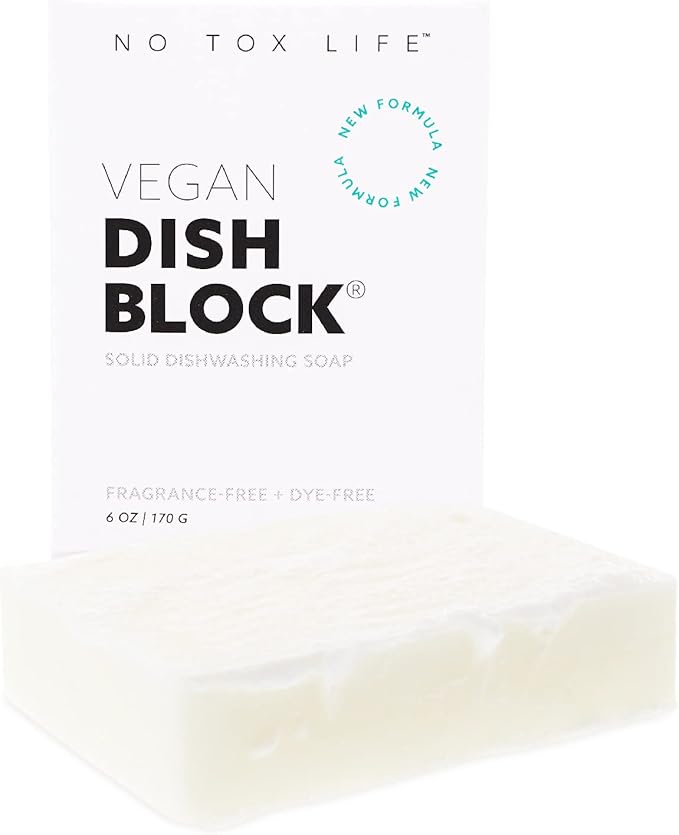
1. No Tox Life Dish Block

No Tox Life Dish Block - zero waste solid dish soap bar
No Tox Life Dish Block — the zero-waste classic

The No Tox Life Dish Block is the gold standard in zero-waste dishwashing. It’s been a favorite of the eco community for years, and for good reason.

This unscented block is free of dyes, fragrances, palm oil, and synthetic preservatives. The formula is vegan, biodegradable, and packaged in a simple paper box.

It works by rubbing a wet dish brush or sponge directly on the block to create a rich lather. The block itself lasts surprisingly long — many users report it lasting 4–6 weeks with regular family use.

It cleans effectively in both hard and soft water, handles greasy pots and pans without trouble, and rinses clean without residue. For sensitive skin, the fragrance-free formula is a big plus.

Check Price on Amazon

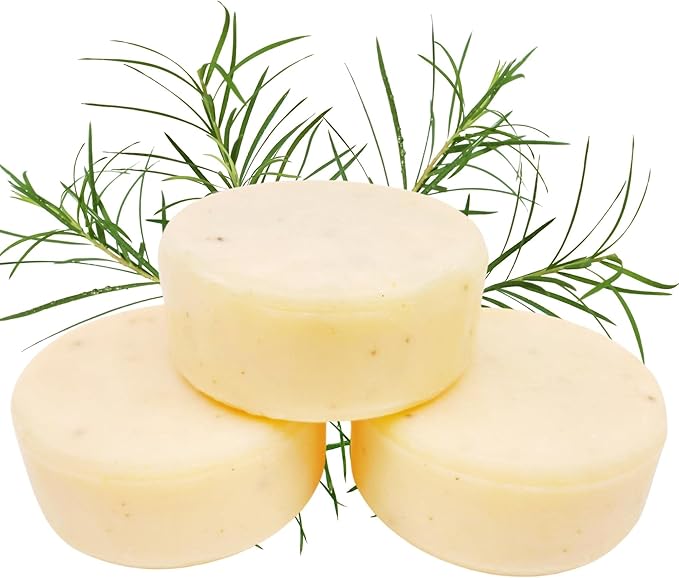
2. Zero Waste Natural Dish Soap Bar (3-Pack)

Zero Waste Natural Dish Soap Bar 3-pack - plastic free dishwashing block
Zero Waste Natural Dish Soap Bar — best value 3-pack

If you want to stock up and save, this 3-pack of cold-processed solid dish soap bars is an excellent choice. Each bar is made from sustainable, organic ingredients and packaged entirely plastic-free.

The bars are cold-processed and cured for over 1,000 hours before packaging — a longer cure time means harder, longer-lasting bars with denser lather.

They’re vegan, cruelty-free, and contain no artificial fragrances or dyes. Each bar cuts grease well and rinses cleanly, even in cooler water.

Buying in a 3-pack is great for households that want to reduce shopping trips and always have a fresh bar ready. The packaging is compostable, so when you’re done, the whole thing goes in your compost bin.

Check Price on Amazon

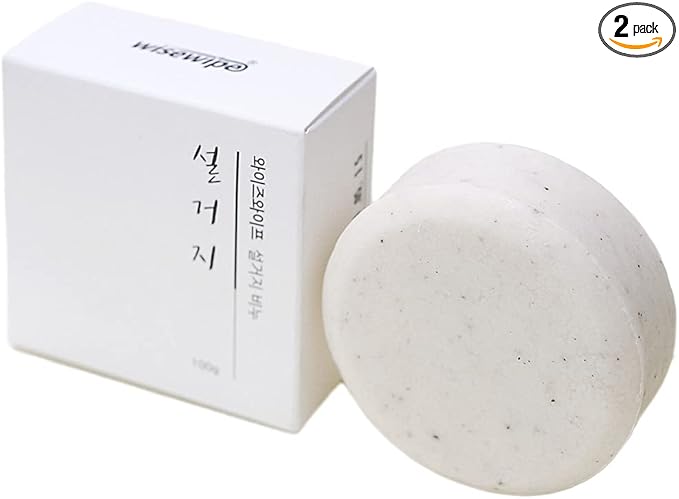
3. WISEWIPE Zero Waste Kitchen Dish Soap Bar

WISEWIPE Zero Waste Kitchen Dish Soap Bar - biodegradable lemon scent
WISEWIPE Dish Soap Bar — fresh lemon scent with glycerin moisture

The WISEWIPE dish soap bar stands out for its natural lemon fragrance and glycerin-rich formula that’s genuinely gentle on your hands — a real bonus if you’re doing dishes multiple times a day.

Made in Korea using a cold-process method, this 3.5 oz bar is biodegradable, plastic-free, and wrapped in eco-friendly paper packaging. It produces a good lather that tackles everyday dishes, glasses, and cookware with ease.

The lemon scent is light and natural — not the artificial citrus blast you get from conventional dish soap. It leaves hands feeling clean without that stripped, dry feeling.

This is a great pick for anyone who wants an effective eco dish bar with a pleasant scent and added skin care benefits.

Check Price on Amazon

How to Use a Dish Soap Bar

Using a dish soap bar is easy once you get the hang of it. Wet your dish brush or sponge thoroughly, then rub it directly on the bar for a few seconds — you’ll get a nice lather almost immediately.

Use the brush or sponge as you normally would. Rinse dishes clean with water. The soap rinses off completely and doesn’t leave a residue.

To keep your bar lasting as long as possible, store it on a soap dish or wooden tray that allows it to drain and dry between uses. Sitting in a puddle of water will cause it to dissolve faster.

Are Dish Soap Bars as Effective as Liquid Soap?

Yes — and in some cases, better. Because dish bars are concentrated (no added water), you get more cleaning power per gram than you do from a standard liquid bottle.

The main adjustment is getting used to the application method. Once you find your rhythm with a good brush or sponge, most people report they don’t miss liquid dish soap at all.

For very heavy-duty jobs — baked-on grease, cast iron pans — you can use the bar in combination with a stiff-bristled brush for extra scrubbing power.

The Bottom Line

Switching to a solid dish soap bar is one of the easiest plastic-free swaps you can make in the kitchen. It costs about the same as conventional dish soap, performs just as well, and eliminates plastic bottle waste entirely.

Whether you go with the tried-and-true No Tox Life Dish Block, the value-packed Zero Waste 3-Pack, or the skin-friendly WISEWIPE Lemon Bar, you’ll be doing your dishes — and the planet — a favor.

Small swaps add up. This one is worth making.

Best Reusable Beeswax Food Wraps of 2026: Ditch Plastic Wrap for Good

If you’re still reaching for plastic wrap every time you need to cover leftovers or pack a snack, it’s time to make a switch that’s better for your home — and the planet. Reusable beeswax food wraps are one of the simplest, most effective zero-waste swaps you can make in the kitchen.

They look beautiful, they work surprisingly well, and they last for months. Here’s everything you need to know to choose the best one for your household.

Disclosure: This post may contain affiliate links. As an Amazon Associate, we earn from qualifying purchases at no extra cost to you.

What Are Beeswax Food Wraps?

Beeswax wraps are pieces of fabric — usually organic cotton — infused with a blend of beeswax, tree resin, and plant oils like jojoba or coconut.

The beeswax makes the cloth naturally tacky when warmed by your hands, allowing it to cling to bowls, plates, fruits, cheese, bread, and almost any food you’d normally reach for plastic wrap to cover.

Once you’re done, simply rinse with cold water and mild soap, let it air dry, and it’s ready to use again. A single wrap can last a year or more with proper care.

Why Switch from Plastic Wrap?

The average American household goes through hundreds of feet of plastic cling wrap every year — and virtually none of it is recyclable.

Beeswax wraps replace that single-use plastic with something washable, reusable, and fully compostable at the end of its life. They also tend to breathe slightly, which actually keeps produce fresher longer compared to airtight plastic.

And honestly? They just look much nicer in your kitchen.

Our Top Picks for 2026

1. Bee’s Wrap Assorted 3-Pack — Best Overall

Bee’s Wrap is the brand that essentially launched the beeswax wrap movement in the U.S., and their original assorted 3-pack remains the gold standard.

Each pack includes one small, one medium, and one large wrap — enough to cover most everyday needs from a half-eaten avocado to a full salad bowl. They’re made from GOTS-certified organic cotton, sustainably harvested beeswax, organic jojoba oil, and tree resin.

The wraps are firm and slightly stiff when cold, but a few seconds in your hands softens them right up. They cling well, they hold their shape, and they truly last. Bee’s Wrap is also a certified B Corporation, which means the company is held to rigorous environmental and social standards.

Check Price on Amazon

2. Bee’s Wrap 7-Pack Variety — Best for Families

If you have a larger household or simply want a wrap for every situation, the Bee’s Wrap 7-pack is an outstanding value.

This set includes 2 small, 2 medium, 2 large, and 1 extra-large bread wrap — giving you full coverage from single snacks to whole loaves of sourdough. The bread wrap alone is worth the upgrade if you buy artisan bread regularly, as it keeps cut loaves fresh far better than a plastic bag.

The quality is identical to the 3-pack: certified organic materials, long-lasting formula, and compostable at end of life. This is a great option for families looking to make a meaningful dent in their kitchen plastic use all at once.

Check Price on Amazon

3. Reusable Beeswax Wraps 9-Pack — Best Budget Value

If you want to go big without breaking the budget, this 9-pack of eco-friendly beeswax wraps is a fantastic choice.

You get 1 extra-large, 3 medium, and 5 small wraps — perfect for stocking an entire kitchen drawer with reusable options. The wraps are made from organic cotton, natural beeswax, jojoba oil, and tree resin, using the same basic formula as premium brands.

They come in cheerful fruit and botanical prints, which makes them great as a gift too. At this price per wrap, there’s no reason not to go all in on replacing your plastic wrap habit once and for all.

Check Price on Amazon

4. SWOOFE Beeswax Wraps 14-Piece Bundle — Best Variety Pack

For the household that wants to go fully plastic-free in the kitchen, the SWOOFE 14-wrap bundle is hard to beat.

Fourteen wraps covers you for everything — packing school lunches, storing cheese, covering mixing bowls, wrapping herbs, and more. SWOOFE uses organic beeswax, organic jojoba oil, and tree resin on GOTS-certified cotton, and the wraps are zero-plastic from fabric to packaging.

Reviewers consistently praise how well these cling even on cold or damp surfaces, which is a common complaint with cheaper beeswax wraps. If cling performance matters to you, SWOOFE is worth a look.

Check Price on Amazon

5. Pacha Products Beeswax Wraps — Best for Gifting

Pacha’s simple 3-pack comes in a beautiful, minimal design that makes it one of the most giftable eco-friendly kitchen swaps on the market.

The set includes small, medium, and large sizes, and the wraps are certified compostable — so when they’ve reached the end of their life (typically 1+ year with good care), you can toss them right in the compost bin. No landfill, no microplastics.

Pacha keeps the ingredient list clean: beeswax, organic jojoba oil, and tree resin on cotton canvas. Simple, effective, and responsibly made. A great starting point for anyone just discovering beeswax wraps.

Check Price on Amazon

How to Use and Care for Beeswax Wraps

Using beeswax wraps takes about ten seconds to learn. Hold the wrap in both hands for a few seconds — the warmth from your skin softens the wax and makes it pliable.

Press it over a bowl, plate, or piece of food, mold it into shape, and let go. The wax will cool and hold the shape you’ve created.

To clean: rinse in cold water only with a tiny drop of mild dish soap, gently rub clean, and lay flat to air dry. Never use hot water, as it will melt the wax coating and ruin the wrap.

Store them folded or rolled in a drawer. Most wraps last 300–400 uses — that’s roughly a year of daily use before needing replacement.

What Can (and Can’t) You Wrap?

Beeswax wraps work brilliantly for: fruits and vegetables, cut produce (avocados, lemons, melons), cheese, bread, snacks, sandwiches, herbs, and covering bowls and plates.

They’re not suitable for: raw meat or fish (food safety concern with wax absorbing bacteria), foods that need to be microwaved, or anything requiring an airtight seal like fermented foods.

For raw meat storage, keep a few reusable silicone bags or glass containers on hand to cover those use cases.

Are Beeswax Wraps Worth It?

Absolutely. A single set of 3 wraps costs about as much as two rolls of plastic wrap — and will last 12 months or longer. That’s a straightforward financial win on top of the obvious environmental benefit.

The learning curve is minimal. Within a day or two, using a beeswax wrap feels completely natural, and reaching for plastic wrap starts to feel unnecessary by comparison.

If you’re looking for one kitchen swap that’s easy, practical, and genuinely impactful, beeswax wraps are it.

Final Thoughts

Whether you start with a simple 3-pack or go all-in with a 14-wrap bundle, switching to reusable beeswax wraps is one of the most satisfying zero-waste changes you can make.

They’re beautiful, functional, long-lasting, and completely planet-friendly. And every roll of plastic wrap you don’t buy is one less piece of petroleum-based plastic heading to the landfill.

Start with Bee’s Wrap if you want the trusted original, or grab the 9-pack bundle if you want to cover your whole kitchen at once. Either way, you won’t look back.

Traffic to this site originates from social media campaigns. Specific URL criteria must be met in order to display search ads