Switching to natural body lotion is one of the easiest green swaps you can make — and your skin will love you for it.
Most conventional moisturizers are packed with synthetic chemicals: parabens, mineral oils derived from petroleum, synthetic fragrance, and packaging that ends up in landfill after a single use.
The good news? There’s a new generation of natural body lotions that deliver serious moisture without any of that.
Whether you prefer a rich cream, a lightweight daily lotion, or a zero-waste solid bar, we’ve rounded up the best natural body lotions of 2026 — genuinely good for your skin, and genuinely better for the planet.
Why Switch to Natural Body Lotion?
Conventional body lotions often contain ingredients that raise environmental and health concerns.
Petrochemicals like mineral oil and petrolatum are derived from crude oil refining. Synthetic fragrances can contain dozens of undisclosed chemicals. And most lotion bottles are single-use plastic — contributing to the hundreds of millions of tons of plastic waste produced globally each year.
Natural body lotions typically use plant-derived ingredients — shea butter, coconut oil, aloe vera, jojoba oil — that are biodegradable and gentler on both skin and waterways.
Many eco-friendly brands also use recyclable, refillable, or package-free packaging, making the switch better for your bathroom cabinet and the planet.
What to Look For in a Natural Body Lotion
Not every “natural” claim on a label is trustworthy. Here’s what actually matters when choosing a cleaner moisturizer.
Ingredient transparency — Look for short ingredient lists with recognizable, plant-based components. Avoid products hiding behind vague terms like “fragrance” without disclosure.
Certifications — USDA Organic, EWG Verified, COSMOS, NATRUE, and Leaping Bunny (cruelty-free) provide third-party verification of brand claims.
Sustainable packaging — Recyclable glass or aluminum, refillable containers, or package-free solid bars are all greener choices than single-use plastic.
No greenwashing — Buzzwords like “clean,” “green,” or “botanical” mean nothing without certifications or full ingredient transparency to back them up.
Best Natural Body Lotions of 2026
Here are our top picks — each one genuinely effective, with eco-credentials to match.
1. OSEA Ocean Body Lotion
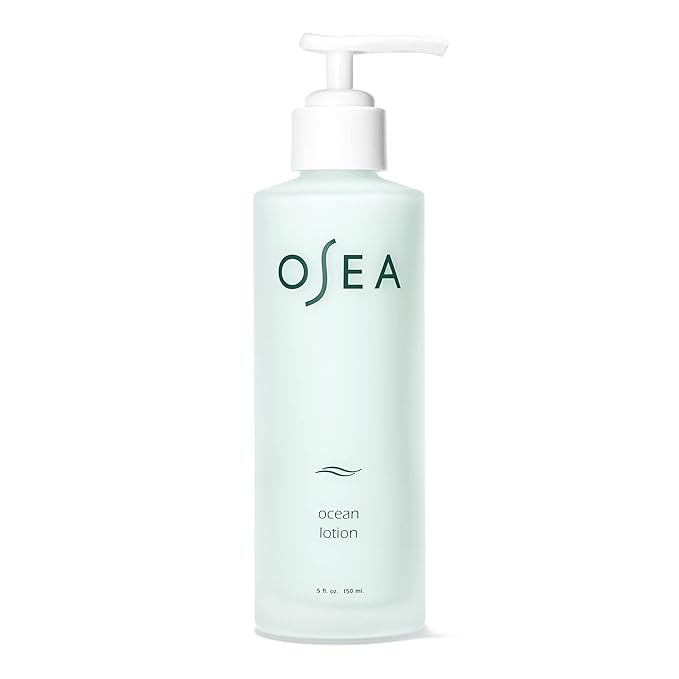
OSEA has been pioneering ocean-powered skincare long before sustainability became a trend. Their Ocean Body Lotion is a lightweight, fast-absorbing formula built around sustainably harvested seaweed extract — one of nature’s most potent skin-nourishing ingredients.
The seaweed is sourced from the cold, nutrient-rich waters off the Patagonian coast. The formula is vegan, gluten-free, and free from synthetic fragrances, parabens, and mineral oil.
Sweet almond oil and vitamin E round out the formula for lasting moisture that absorbs quickly and never feels heavy.
OSEA uses FSC-certified recycled paper in packaging and is Climate Neutral Certified — a genuinely transparent brand in a space full of greenwashing.
2. EcoRoots Solid Lotion Bar
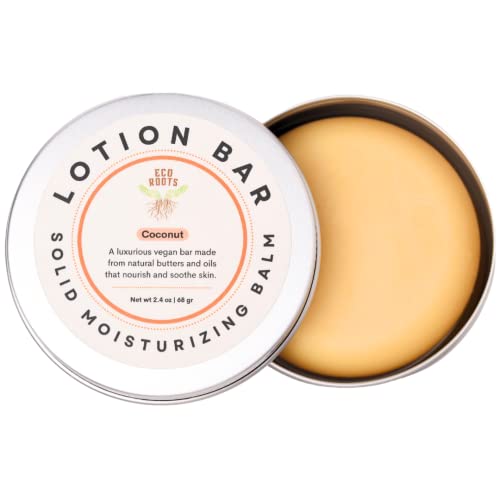
If eliminating plastic waste from your personal care routine is the goal, a solid lotion bar is the ultimate upgrade — and EcoRoots makes one of the best.
Formulated with candelilla wax, cocoa butter, shea butter, coconut oil, and jojoba oil, this bar melts on contact with skin and absorbs beautifully without any greasy residue.
The packaging is 100% plastic-free and compostable. Each bar is equivalent to about two full-size bottles of liquid lotion, making it both eco-friendly and surprisingly cost-effective.
A great option for travelers too — no liquids restrictions at airport security.
3. Burt’s Bees Aloe & Shea Butter Body Lotion
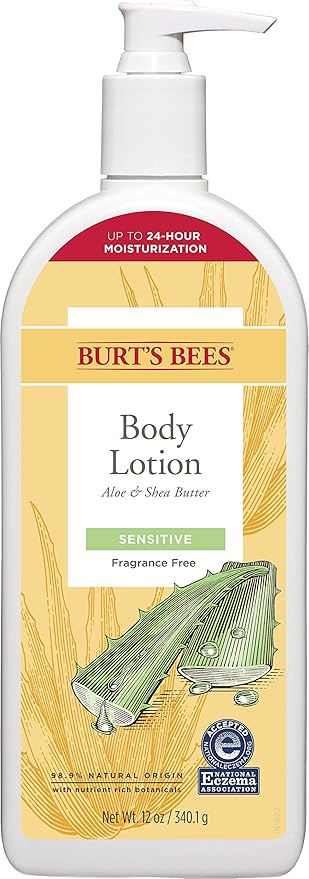
Burt’s Bees remains one of the most accessible natural personal care brands, and their Aloe & Shea Butter Body Lotion is a reliable everyday option at a drugstore-friendly price.
The formula is 99% natural origin, featuring aloe vera for soothing hydration and shea butter for deep moisturization. It’s free from parabens, phthalates, and synthetic fragrances, and dermatologist tested for sensitive skin.
The packaging uses a minimum of 50% post-consumer recycled materials — a meaningful step toward sustainability without the premium price tag.
4. Attitude Super Leaves Body Lotion
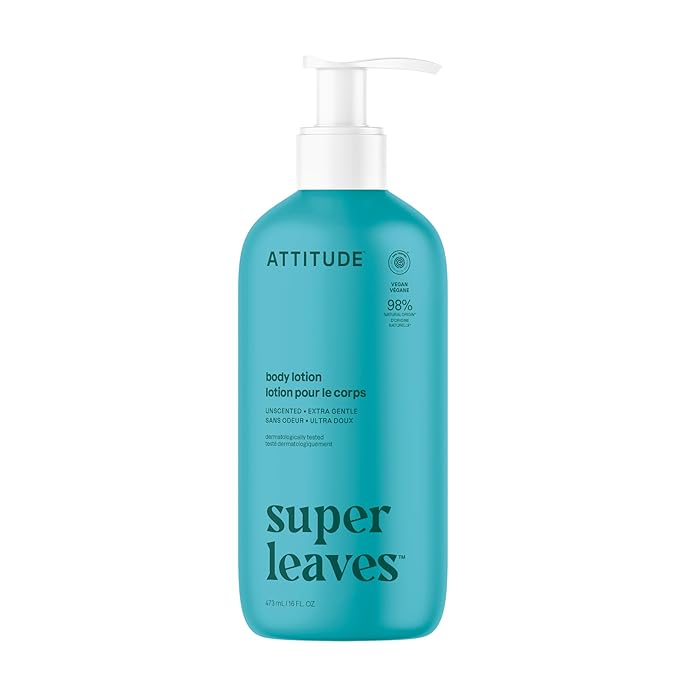
Attitude is a Canadian brand that takes ingredient transparency to the next level — every ingredient in their products is published online with a full environmental and health impact score.
Their Super Leaves Body Lotion is EWG Verified, meaning it has met the Environmental Working Group’s strictest standards for safety and transparency. The formula features plant-derived ingredients including grape leaf and olive leaf extracts.
It’s hypoallergenic, vegan, cruelty-free, and available in both scented and unscented versions for sensitive skin. Attitude is also committed to carbon-neutral shipping and continues upgrading to recyclable packaging.
5. EO Everyone Body Lotion — Lavender & Aloe
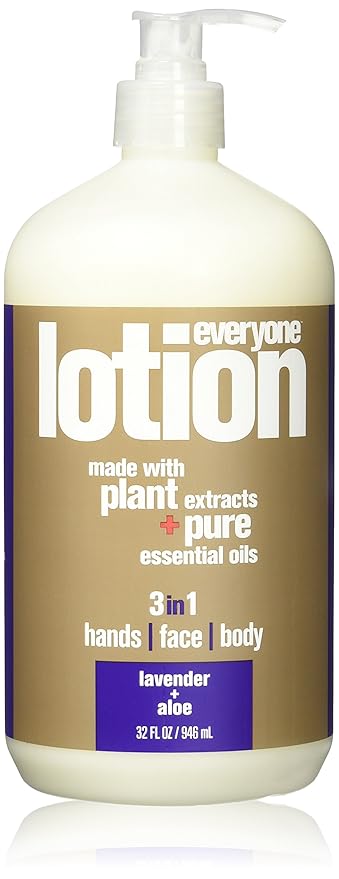
EO Products has been making plant-based personal care products since 1995, and their Everyone Body Lotion is a classic for good reason.
Made with certified organic aloe vera, plant-based glycerin, and pure lavender essential oil, it absorbs quickly and leaves skin genuinely soft without any greasy after-feel. The calming lavender scent is subtle and pleasant — not overpowering.
It comes in a generous 32 oz format, reducing packaging waste per use compared to smaller bottles. The formula is certified cruelty-free, vegan, and free from SLS, parabens, and synthetic fragrances.
Are Solid Lotion Bars Worth the Switch?
If you haven’t tried a solid lotion bar yet, here’s what you need to know before diving in.
Solid bars have a gentle learning curve, but most people who make the switch don’t look back. To use one, simply warm the bar between your palms or rub it directly onto slightly damp skin after a shower.
Store your bar in a small tin or lotion bar dish, away from direct water exposure, to extend its lifespan. Most bars last 2–3 months with daily full-body use — comparable in cost to a mid-range liquid lotion, without any plastic packaging.
Tips for Getting the Most From Natural Body Lotion
Apply right after showering when your skin is still slightly damp. Natural formulas absorb better on moist skin and feel less heavy than when applied to completely dry skin.
Give a new formula at least two to three weeks before judging it. Your skin may need a short adjustment period after switching from conventional moisturizers.
If you have sensitive skin, opt for fragrance-free formulas — even natural essential oils can trigger reactions in some people.
Consider seasonal swaps too. A lighter lotion works well in summer; switch to a richer body butter or lotion bar in winter when skin tends to get drier from indoor heating.
The Bottom Line
Switching to a natural, eco-friendly body lotion is one of the simplest sustainable swaps you can make in your daily routine. The five picks above cover every need and budget — from premium seaweed-powered formulas to affordable drugstore options and zero-waste solid bars.
Your skin gets deep, lasting hydration. The planet gets one less plastic bottle. That’s a trade worth making.