
Every morning, millions of people toss a paper coffee filter in the trash without a second thought. A single household can go through 365 or more paper filters a year — and most end up in landfill, even if they’re technically compostable. The good news? Switching to a reusable coffee filter is one of the easiest, most affordable swaps you can make for a greener home.
And here’s the bonus: many coffee lovers say reusable filters actually brew a better cup.
Table of Contents
Why Switch to a Reusable Coffee Filter?
Paper coffee filters seem harmless, but the numbers add up fast. The average American drinks about 3 cups of coffee a day — that’s over 1,000 paper filters per year, per person.
Even “unbleached” or “compostable” paper filters require trees, water, and energy to produce and transport. A reusable filter, by contrast, can last anywhere from a few years (for cloth) to a lifetime (for stainless steel).
There are also flavor benefits. Paper filters absorb coffee oils — the compounds responsible for much of the aroma and body in your cup. Stainless steel and cloth filters let those oils pass through, resulting in a richer, more nuanced brew.
Types of Reusable Coffee Filters
There are three main materials to choose from, each with its own strengths:
Stainless Steel: The most durable option. Lasts a lifetime with proper care, dishwasher-safe, and lets full-bodied oils through. Great for bold, flavorful coffee.
Organic Cotton / Cloth: Offers a middle ground between paper and metal. Lets some oils through while filtering more sediment. Produces a clean, smooth cup. Needs more careful washing and drying to prevent mildew.
Hemp: Naturally mold-resistant and incredibly durable. Similar brew profile to cotton but even more sustainable — hemp requires minimal water and no pesticides to grow.
Best Stainless Steel Pour-Over Filter: Reusable Cone Drip Filter
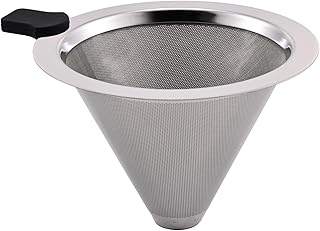
A high-quality stainless steel pour-over cone filter is the go-to choice for daily brewers who want zero-maintenance sustainability. The ultra-fine mesh captures grounds while allowing coffee’s natural oils and aromatic compounds to flow freely into your cup.
Look for filters made from food-grade 18/8 stainless steel — these won’t rust, won’t impart metallic flavors, and hold up to daily use for years. They’re compatible with most standard pour-over brewers and drip coffee makers.
The result is a full-bodied, café-quality brew — and you’ll never need to buy paper filters again.
Best Organic Cotton Filter: CoffeeSock
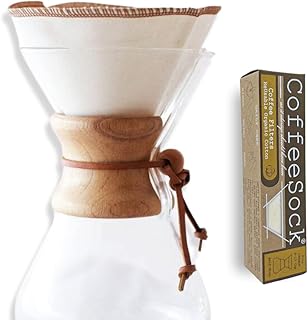
CoffeeSock is one of the original reusable coffee filter brands, and it’s still one of the best. Made from 100% certified organic cotton grown in Texas, these filters are GOTS-certified and produced with non-toxic, natural dyes.
The cloth filter produces a cup that’s noticeably cleaner and brighter than stainless steel — less sediment, more clarity — while still allowing some of those desirable coffee oils through. Coffee aficionados often describe the taste as “silky” and well-balanced.
With proper care (rinse after each use, hang dry), CoffeeSock filters last 6–12 months. The company offers a take-back program when they wear out. Available in versions for Chemex, AeroPress, and standard drip machines.
Best Premium Option for Chemex: Able KONE
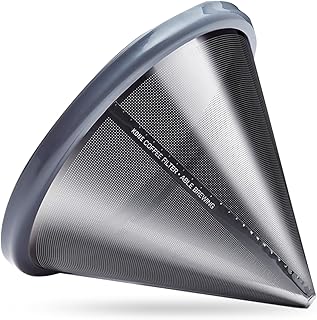
The Able KONE is the gold standard for Chemex users who want a permanent filter upgrade. Handcrafted from surgical-grade stainless steel with laser-cut holes and hand-polished finish, it’s as much a piece of kitchen art as it is a coffee tool.
The KONE’s precision engineering means consistent extraction every time — no collapsing sides, no overflow, just a clean, even brew. The laser-cut holes are calibrated to balance flow rate and oil extraction for an exceptionally complex cup.
It’s also made to last a lifetime. Able offers a repair program, and many KONE owners have been using the same filter for 10+ years. At around $60, it pays for itself within the first few months compared to buying paper Chemex filters regularly.
How to Choose the Right Reusable Coffee Filter
The best filter depends on your brewer, your taste preferences, and how much maintenance you’re willing to do:
If you want zero effort, go stainless steel — rinse it out, toss it in the dishwasher, done.
If you want the cleanest, smoothest cup and don’t mind a bit of extra care, organic cotton is your match.
If you use a Chemex and care about both quality and sustainability, the Able KONE is worth every penny.
For cold brew or large-batch brewing, look for a cotton or hemp sock-style filter — they’re designed for steeping and produce a naturally sweet, low-acid concentrate.
How to Care for Your Reusable Filter
Proper care extends the life of your filter significantly:
Stainless steel: Rinse under running water after each use. Scrub gently with a bottle brush weekly. Soak in a diluted white vinegar solution monthly to remove mineral buildup.
Cotton/cloth: Rinse immediately after brewing (don’t let grounds dry inside). Hang to dry completely — never store damp, or mildew can form. Boil in clean water monthly to deep-clean and refresh.
Avoid dish soap for cloth filters — it leaves residue that can make your next cup taste soapy. Plain hot water is all you need.
The Eco Numbers: How Much Waste Do You Actually Save?
If you brew once a day, switching to a reusable filter eliminates roughly 365 paper filters per year from landfill — or about 1.5–2 lbs of paper waste annually.
Scale that to a household of two coffee drinkers and you’re saving 700+ filters a year. Multiply that across the millions of households that could make this swap, and the impact is enormous.
Beyond waste, reusable filters also eliminate the packaging, shipping, and manufacturing emissions associated with continuous filter purchases. A single stainless steel filter can serve you for a decade or more — that’s potentially 3,650+ paper filters never produced.
Final Thoughts
Switching to a reusable coffee filter is one of the simplest, highest-impact swaps in a sustainable kitchen routine. It costs less in the long run, often makes your coffee taste better, and eliminates thousands of single-use products over a lifetime.
Whether you go stainless steel for durability, organic cotton for a cleaner cup, or a premium option like the Able KONE for your Chemex — any of these filters will serve you well for years to come.
Start with one. You won’t look back.